

A decrease in sexual desire is something both men and women can experience at different points in life. In this article, we focus specifically on women and bring you helpful information about this topic.
Both physical and mental factors can cause this — including relationship problems, extreme tiredness, and stress.
One important thing to keep in mind is that every person’s need for sexual desire is different. There is no exact measurement of what a “normal” level of sexual desire looks like. We cannot divide it into high or low with a fixed scale.

When Does It Become a Problem?.
However, if your low sexual desire is causing trouble in your relationship — for example, if your partner feels unhappy because of it — then it can be harmful to your bond. In that case, it is important to try to solve the problem.
Also, if you are unable to feel sexual satisfaction in any way, it is best to seek medical advice.
Physical Causes.

There are physical difficulties that can affect sexual activity:
Pain during sex, dryness due to lack of natural lubrication, inability to reach orgasm, extreme tiredness from overworking all day, discomfort after a recent surgery, or illnesses like diabetes, cancer, and heart disease — all of these physical reasons can lower sexual desire.
During pregnancy, after childbirth, and while breastfeeding, a woman’s sexual desire may also decrease. This is common due to baby-related responsibilities, lack of sleep, and physical discomfort.
Relationship Problems.

In most cases, the main reason for low sexual desire in women is problems with the partner. Are you truly happy with your partner?
Some common situations include:
Being overly familiar with each other after a long relationship, making intimacy feel boring and routine. Loss of sexual attraction toward the partner. Endless arguments and disagreements leading to dissatisfaction. Poor communication between partners. Trust issues in the relationship.
Hormonal Changes.
A woman goes through major hormonal changes throughout her life.
During pregnancy, childbirth, and breastfeeding, sexual desire may drop because of hormonal shifts during that period. During menopause, changes in estrogen levels can also cause a noticeable decrease in sexual desire.
Mental Health Issues.
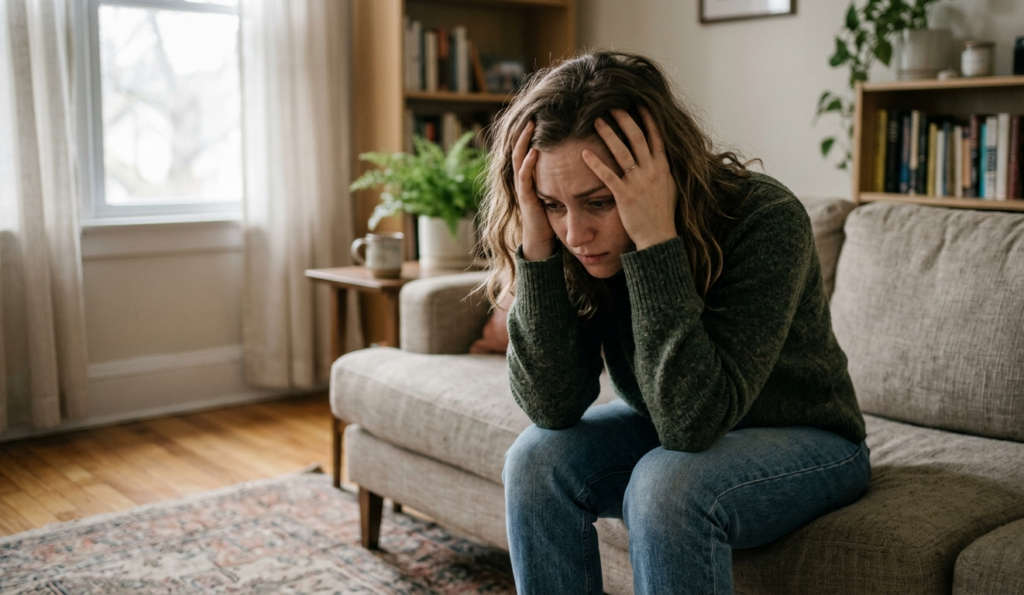
Good mental health is essential for a healthy sexual relationship. Losing mental well-being can also lower sexual desire.
Conditions like stress, depression, and anxiety can cause women to feel less sexual desire. Financial problems, job-related stress, and other mental burdens can also lead to this. Being unhappy with one’s own body image and constantly thinking about it can reduce sexual feelings. Cultural or religious beliefs that see sexual behavior as a serious sin can also suppress sexual feelings.
Certain Medications.
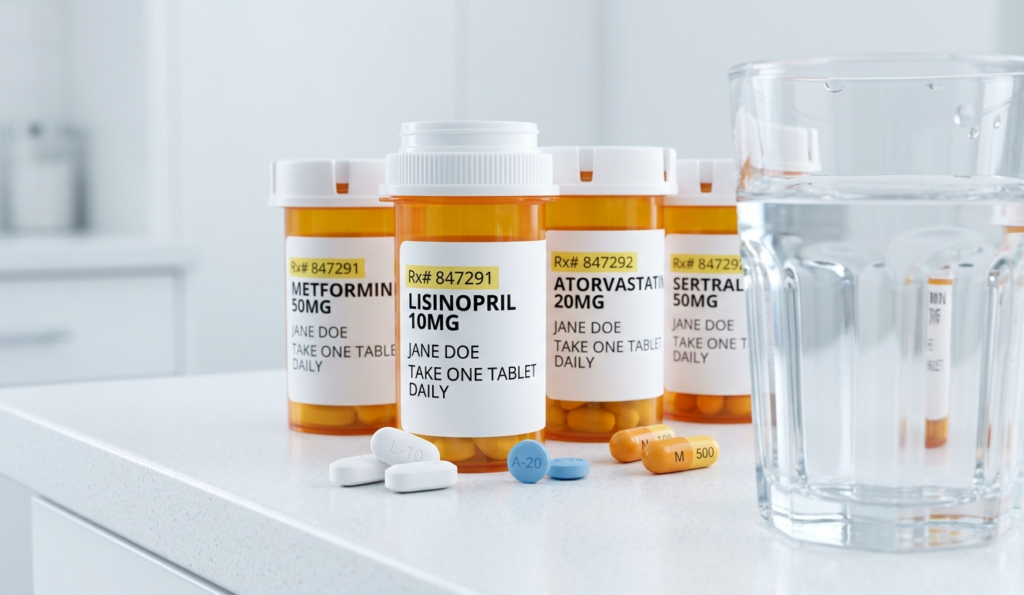
Different medicines affect each person’s body in different ways. Some medications can impact sexual desire.
Heart medications, many antidepressants, and various types of hormonal treatments are among the common causes of this condition.
When Should You meet a Doctor?.
Experts do not actually consider this a disease. It is simply a condition that comes at certain points in a woman’s life. However, since being sexually active brings many health benefits and since reduced desire can harm a marriage, it is important to pay attention to it.
Here are some signs that your sexual desire may have decreased:
Being sexually inactive for up to six months. Being unable to reach orgasm through any stimulation. Having no interest in sexual relationships at all.
If one or more of these apply to you, it is a good idea to see a doctor.

What You Should Do When Sexual Desire Decreases?
Physical sexual issues and mental ones can be addressed by seeing a specialist doctor or a counselor.
If the cause is a side effect of medication, the best thing to do is inform your doctor and switch to an alternative medicine.
If hormonal changes are causing low desire and it lasts more than six months, seeking medical advice is recommended.
Today, there are even specialist doctors who focus entirely on sexual health relationships.
Most importantly, maintaining proper communication with your partner is key. Many of the above problems can be solved that way. By openly discussing your needs and difficulties with your partner, these problems can be worked through.

For women going through different stages of life, a decrease in sexual desire at various times is a common thing. With proper medical guidance, it is possible to overcome that condition.
YOU MAY LIKE: Why Lubricant Matters: The best guide to Better, Safer relationships
Is Oral Sex a Regular Thing in Your Relationship? Here’s What You should Know

