
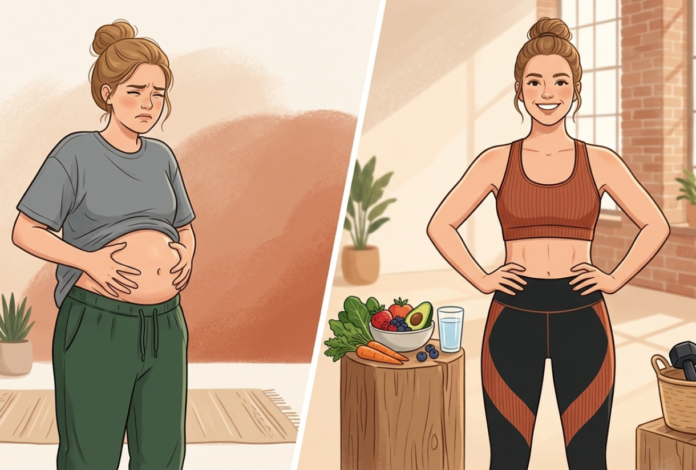
Belly fat — the fat stored around the stomach and waist area — is a headache for many people. This is not only a problem for people with larger bodies; it troubles slim people too. That’s why so many people complain: “My body is proportionate overall, but my belly looks bigger compared to the rest of me.
There is a certain genetic background to this. Due to food culture and several other factors, some people have a genetically higher tendency to accumulate fat around the belly area. But in today’s world, the main causes are lifestyle, lack of exercise, poor eating habits, and hormonal imbalances. People try all sorts of methods to reduce belly fat — various drinks, tablets, waist-cinching clothes, and exercises. But the complaints of “no results” or “results are only temporary” are endless. It’s not as easy as people think. But with the right knowledge, it’s not impossible either.

So today, let’s look at this scientifically and find out what needs to be done.
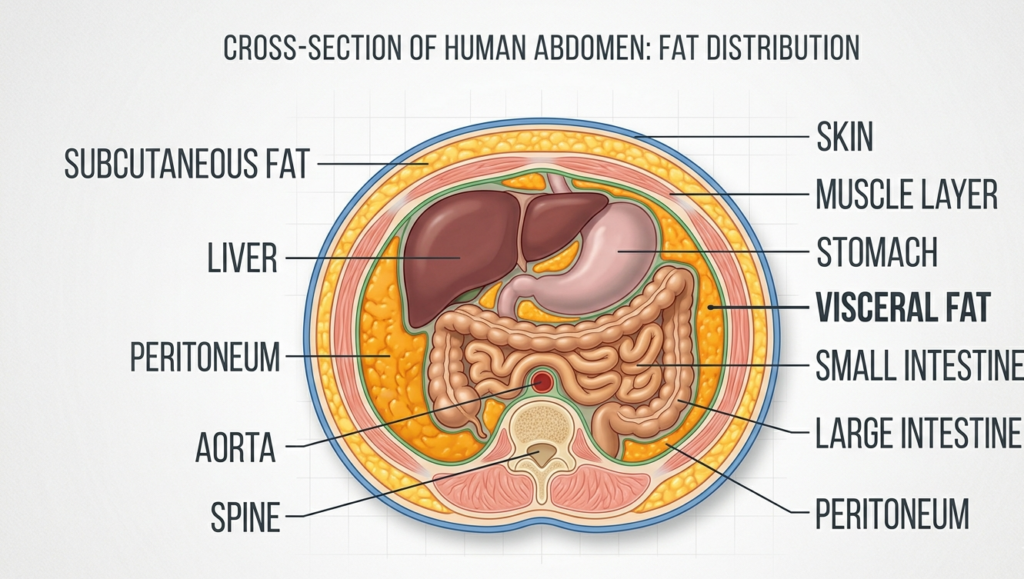
First, let’s understand belly fat. There are two main types of fat we focus on here:
- Subcutaneous fat — the soft fat just under the skin.
- Visceral fat — the deep fat layer that wraps around internal organs. This is the more dangerous one. It contributes to insulin resistance, heart disease, and inflammation in the body.
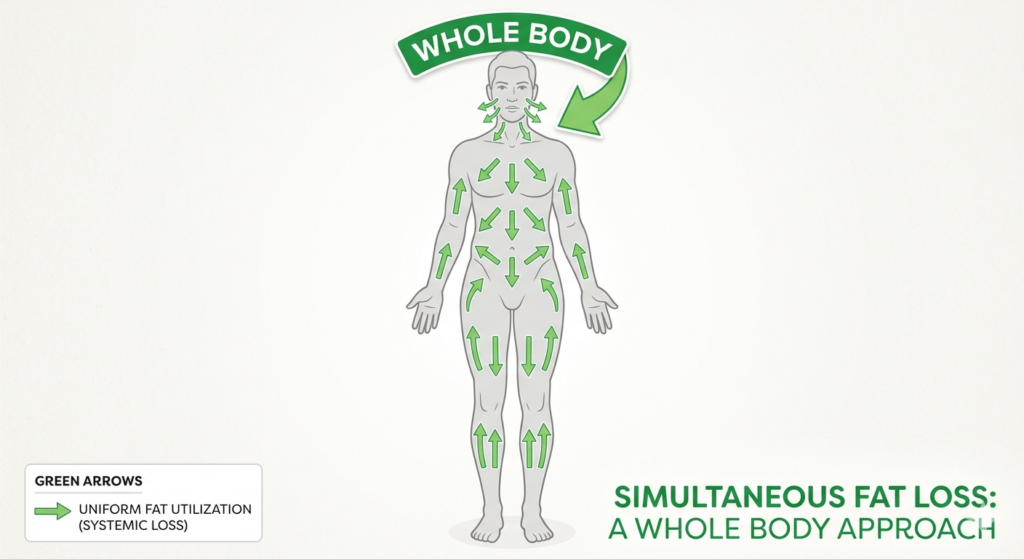
The most important thing to understand on this fat-loss journey is that you cannot target fat loss in just one area like the belly — this is called “spot reduction,” and it doesn’t work. Fat loss happens proportionally and evenly across the entire body. Simply put, when fat is lost, it reduces from the face, neck, belly, back, legs — everywhere proportionally. So even though it may take a little longer before you visibly notice belly fat reducing, those who stay patient and consistent are the ones who see results.
Here are science-backed tips for reducing belly fat that go beyond just abs workouts:
1. Nutrition
This is the most fundamental and important factor. You need to be in a calorie deficit — meaning your body burns more calories than you consume through food. However, when doing this, muscle loss can also happen alongside fat loss. To prevent that, increase your protein intake and reduce carbohydrate consumption, especially refined sugars.
Also important: do not make extreme cuts to your meals, over-fast, or over-train to lose weight quickly. This leads to complications and a weakened body. Lose weight gradually and patiently.

2. Exercise
Both strength training and cardio are important for toned abs and a slimmer waist. Many people only do abs workouts targeting the belly, but what that actually does is strengthen and build the abdominal muscles underneath the fat layer. Those muscles won’t be visible while the fat layer on top remains. That’s why fat-burning cardio is also essential. High Intensity Interval Training (HIIT) is especially effective. Running on a treadmill, road running, swimming, and Zumba are all great options for burning fat.
So in a fat-loss journey, following the exercise routine and a calorie deficit diet plan together — with patience and discipline — is absolutely necessary.

Additionally — and you might not expect this — quality deep sleep and drinking enough water are two very important factors for fat burning.

In summary, reducing belly fat is not something that happens overnight or like magic. It requires dedication, patience, scientific knowledge, and consistency. We’ll talk more about this in the future