
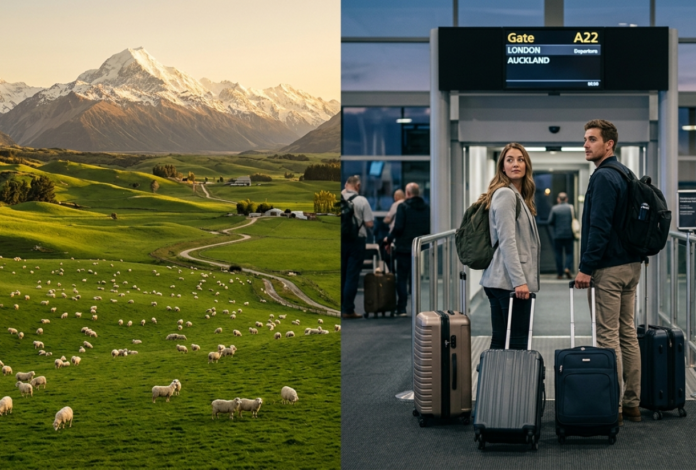
New Zealand has stunning mountains, green fields, clean dairy farms, sheep, honest government, and a high standard of living. But behind this beautiful picture, there is a shocking economic truth hiding in the shadows.
Today, young and skilled working-age people are leaving New Zealand in massive numbers. The average age of people leaving is around 29 years old. In just the past 12 months, more than 73,000 people have left the country. Some third-world countries with active wars are losing people slower than this developed nation!
Where are most of them going? Australia — the country right next door. Even Jacinda Ardern, the prime minister who became world-famous during COVID for her leadership, has now moved to Australia. Today, more than 10% of New Zealand’s population — close to 600,000 people — are living in Australia. So why has a country that the whole world dreams of moving to become unwanted by its own people?

To understand this, we need to go back in time. New Zealand is a small, isolated country located very far from the rest of the world. The entire country has only about 5.3 million people — roughly the same as the population of Sydney, Australia.
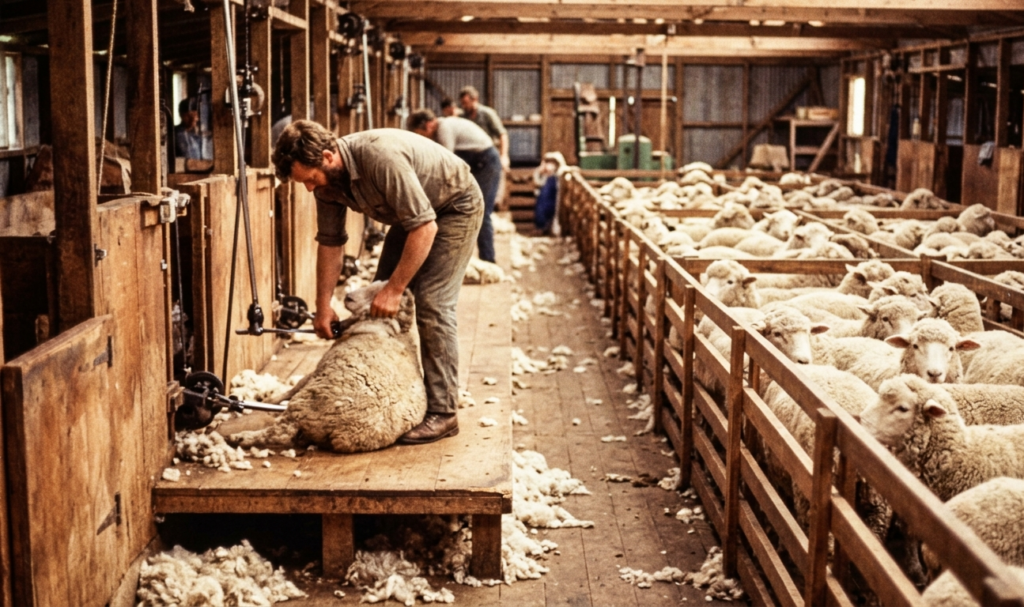
From early on, the country’s economy was almost completely built on farming. By 1982, there were 23 sheep for every single person in New Zealand — 3 million people and 70 million sheep! More than 50% of exports were wool, dairy, and meat — almost all sent to Britain. This made New Zealand richer than the United States at one point.
But when synthetic fabrics were invented, wool prices dropped. Then Britain joined the European Union, and New Zealand lost its biggest market overnight. By the 1970s, the country was in serious economic trouble.
In 1984, the new government introduced bold economic reforms to fix the crisis. Finance Minister Roger Douglas created a plan called “Rogernomics.” He cut all farming subsidies, reduced import taxes, and fully opened the economy to the world.
This destroyed farming. Jobs disappeared. Child poverty shot up to 30%. People started putting money into the stock market — but then the market crashed in 1987.
After the crash, people were too afraid to invest in any real business. Instead, everyone started putting all their money into one thing: land and houses.
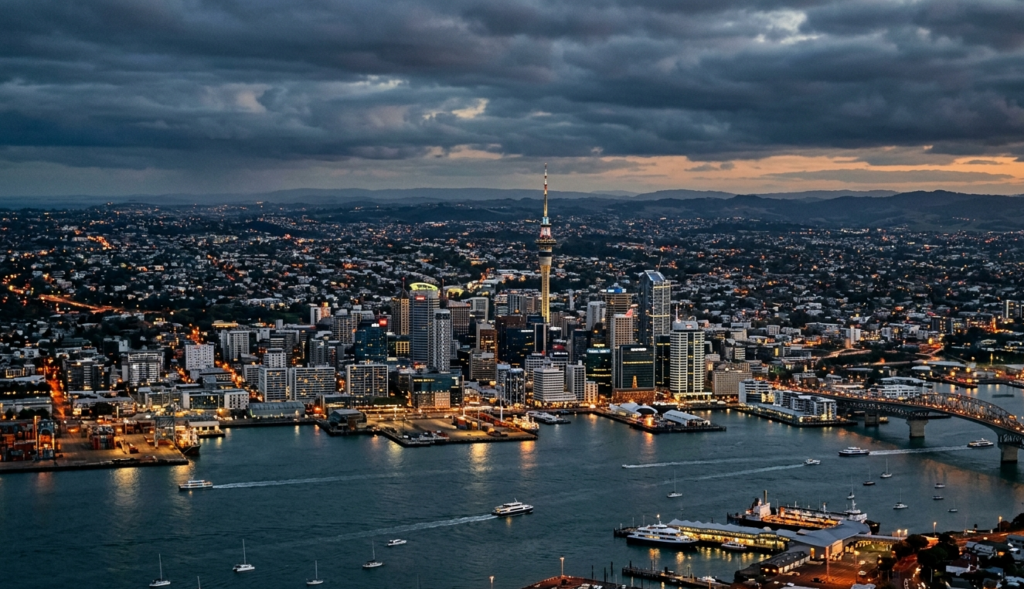
This is the main reason people are leaving New Zealand today. The average house price is now 14 times the average annual income. In Auckland, it’s 17 times. Auckland is ranked the 7th least affordable city in the entire world to buy a home.
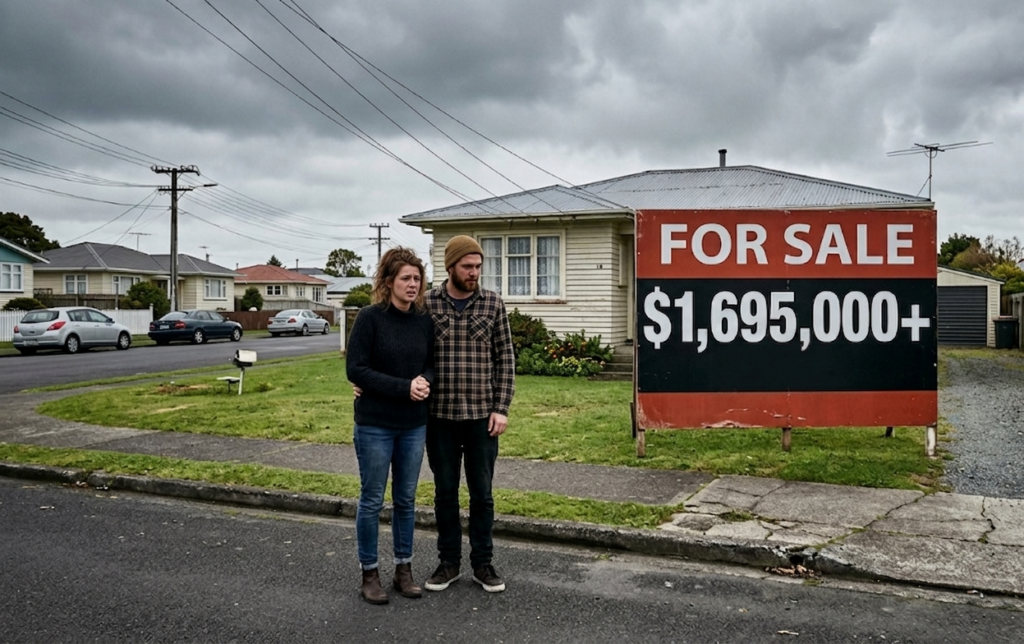
Why are houses so expensive?
Unfair tax system: In New Zealand, you pay 15% tax (GST) on building a house or buying food. But if you buy a house and sell it for a profit, you pay zero tax on that profit. So wealthy people just keep buying and holding properties.
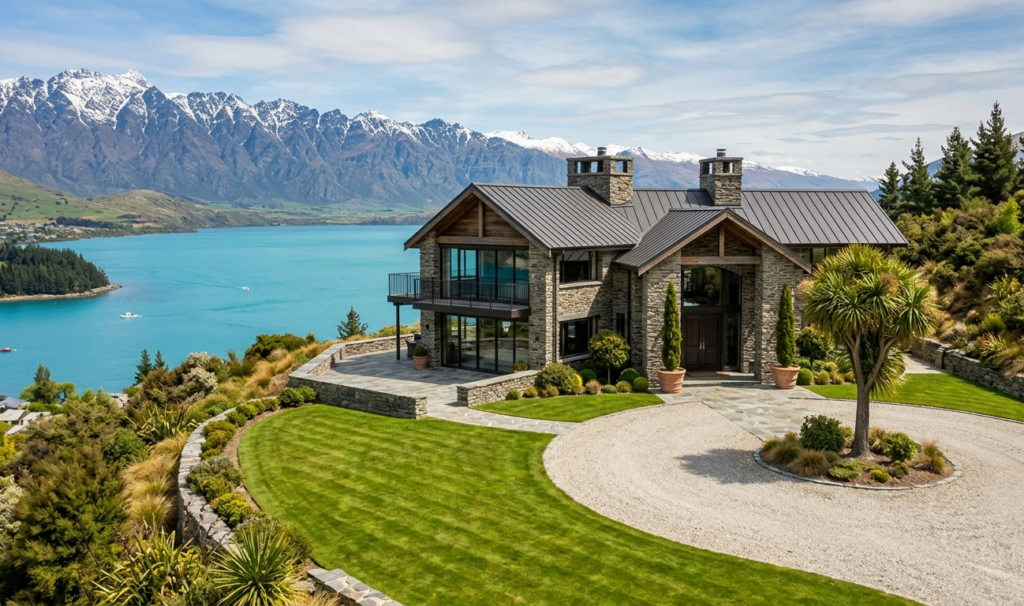
When house prices kept rising, the government banned foreigners from buying homes. But this ban did NOT apply to Australians. So wealthy Australians started lining up to buy properties in New Zealand’s most beautiful areas. Today’s young generation can only dream of owning their own home.
New Zealanders work 15% more hours than the OECD average, but their productivity is 20% lower. For example, the average New Zealand worker produces about $55 (USD, PPP) worth of economic output per hour. In Australia, it’s $81. In the United States, it’s $116.
A young person moving to Australia can earn far more money. And house prices there are relatively cheaper compared to income.
The main reason wages are low in New Zealand is that the economy is still built on low-value products.
Countries like the United States and Singapore grew wealthy through high-value industries like technology and finance — companies like Tesla and Nvidia. But what is New Zealand’s biggest export today? Dairy, butter, and cheese — 28% of all exports. Then meat. Then timber. You simply cannot build an economy that pays high salaries by selling these things.
On top of that, 22.5% of the entire economy depends on buying and selling houses and construction. Investment in research and development is far lower than in other developed countries.
For young New Zealanders, the easiest escape from all these problems is to move to Australia. Thanks to a free movement agreement between the two countries, any New Zealand citizen can live and work in Australia with zero visa issues — just like how EU countries work. The language is English, the culture is nearly identical, and cities like Sydney and Melbourne offer far more jobs and university opportunities.
If you can so easily move next door and earn much better money, why would young people stay and struggle in New Zealand?
As skilled young people leave, the government brings in migrants from Asian countries to fill the gaps. Hundreds of thousands arrived in recent years. Population grew — but without enough houses for newcomers, rents and prices climbed even higher.
Another problem: many of these migrants, once they get New Zealand citizenship, also fly straight to Australia. New Zealand has essentially become a backdoor entry point into Australia for many people.
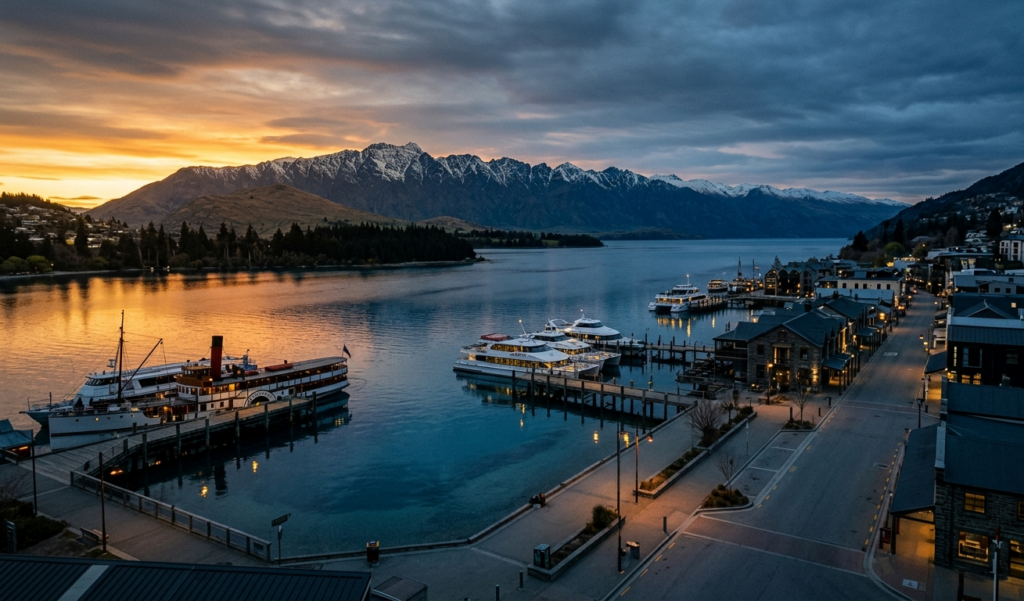
In the end, what New Zealand is left with is an expensive retirement home where wealthy Australian retirees come to enjoy a comfortable holiday.
New Zealand is still peaceful, beautiful, and safe to live in. But poor economic management, failure to control house prices, and over-dependence on farming have created a situation where the next generation simply cannot afford to live in their own country.
This is the perfect example of why natural beauty alone cannot make a country truly successful. To fix New Zealand, either house prices must come down — which would crash the economy — or new industries must be built that pay people better wages. Neither is easy.
YOU MAY LIKE IT : “Do You Know the Most Remote Island Community in the World?”

