
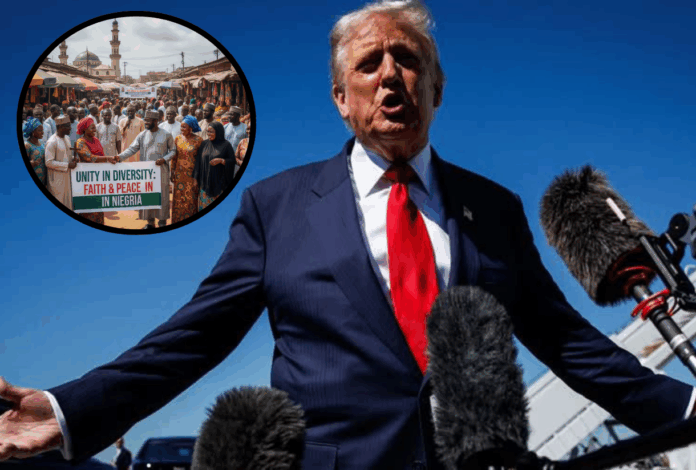
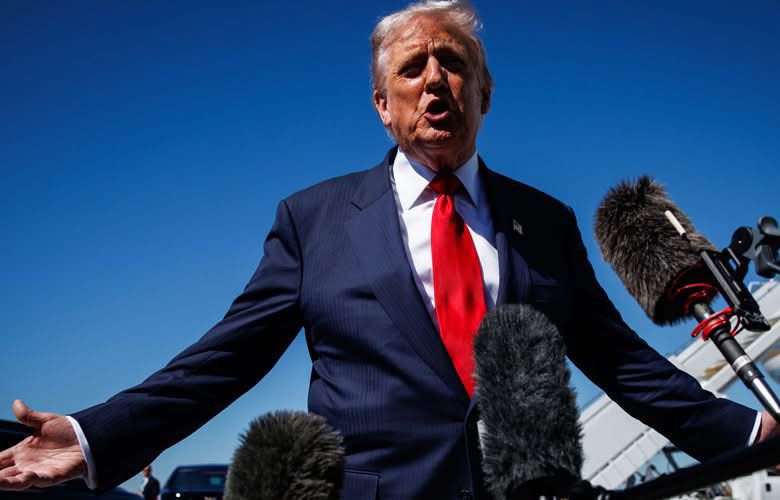
President Donald Trump made headlines on Saturday with a dramatic warning to Nigeria, threatening both military intervention and an immediate halt to all U.S. aid unless the African nation takes stronger action to protect its Christian population from violent attacks.
In a strongly worded post on Truth Social, Trump didn’t mince words. “If the Nigerian Government continues to allow the killing of Christians, the U.S.A. will immediately stop all aid and assistance to Nigeria,” he wrote. The president went further, suggesting the U.S. might go into the country “guns-a-blazing” to eliminate Islamic terrorist groups responsible for what he called “horrible atrocities.”
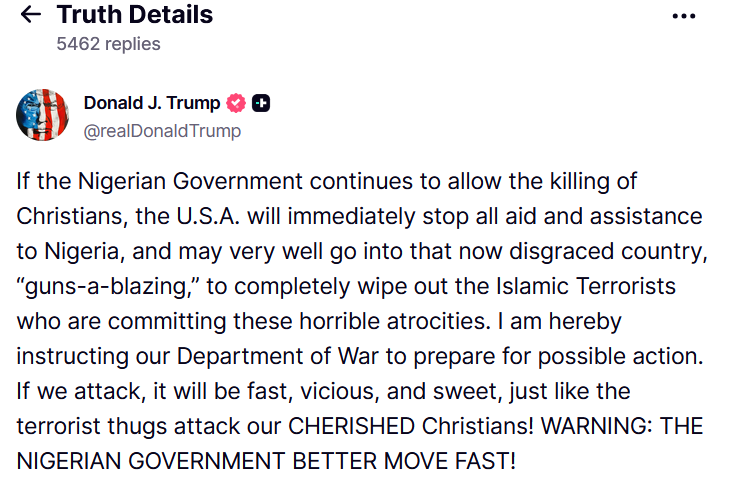
Trump directed the Pentagon—which his administration now calls the “Department of War”—to begin preparing for possible action. “If we attack, it will be fast, vicious, and sweet, just like the terrorist thugs attack our CHERISHED Christians!” the president declared, adding an urgent warning: “THE NIGERIAN GOVERNMENT BETTER MOVE FAST!”
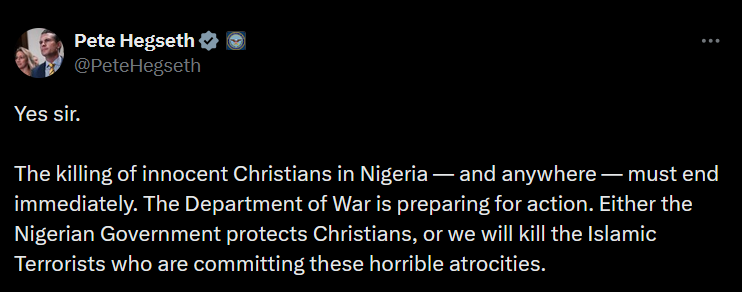
Defense Secretary Pete Hegseth responded on x media with a simple “Yes sir,” confirming that the Department is preparing for potential action.
What Led to This Moment?
This isn’t the first time Trump has raised concerns about Nigeria. Just one day before his military threat, on Friday, the president officially designated Nigeria as a “country of particular concern” for religious freedom violations. This puts Nigeria on a list alongside China, Myanmar, North Korea, Russia, and Pakistan.
The designation follows weeks of advocacy by Senator Ted Cruz of Texas, who has been pushing Congress to recognize what he calls a “crisis of religious genocide” in Nigeria. According to Cruz, over 50,000 Christians have been killed in Nigeria since 2009, with more than 20,000 churches and Christian schools destroyed during that time.
The Numbers Behind the Crisis
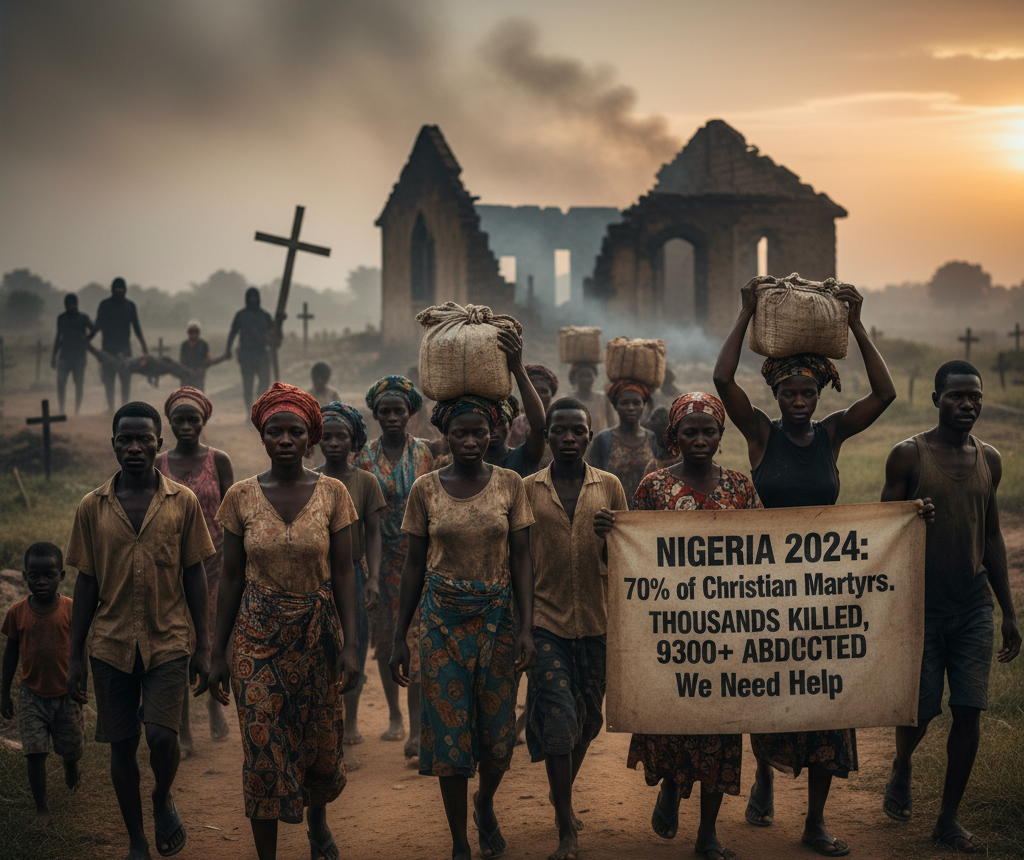
The situation for Christians in Nigeria is genuinely alarming, though the full picture is complex. According to Open Doors, an organization that tracks Christian persecution worldwide, nearly 70% of Christians killed for their faith globally in 2024 were in Nigeria. Recent reports suggest between 4,000 and 8,000 Christian deaths occur annually in the country.
One particularly detailed report found that approximately 7,000 Christians were killed in Nigeria just between January and August of 2024. Another study showed that nearly 10,000 Nigerian Christians died at the hands of Islamic extremist groups between November 2022 and November 2024. Beyond the deaths, thousands more Christians have been kidnapped, with reports of 9,300 abductions and assaults during that two-year period.
Who’s Behind the Violence?
The perpetrators are primarily three groups: Boko Haram, the Islamic State West Africa Province (ISWAP), and armed Fulani militants. Boko Haram, whose name roughly translates to “Western education is sinful,” has been waging an insurgency since 2009, trying to establish an Islamic state in northern Nigeria. The group gained worldwide attention in 2014 when they kidnapped 276 schoolgirls from Chibok, sparking the #BringBackOurGirls campaign.
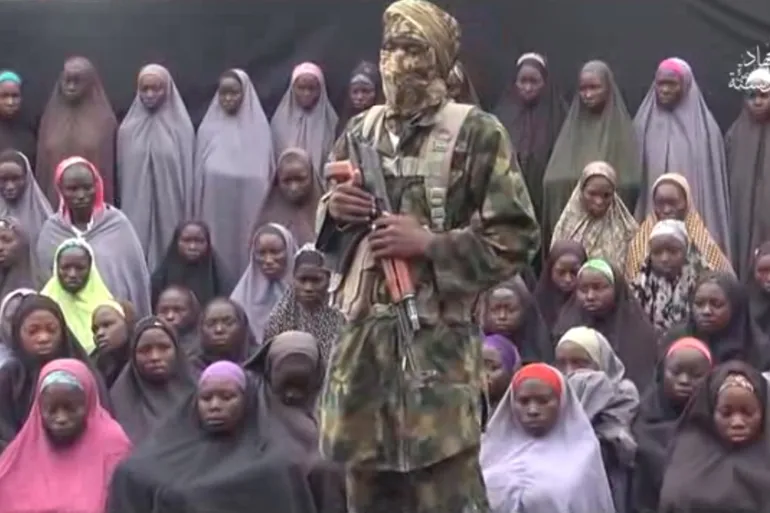
ISWAP split from Boko Haram in 2016 and is affiliated with ISIS. Both groups have carried out devastating attacks on Christian communities, burning churches, kidnapping believers, and demanding that Christians either convert to Islam or face death. The violence has displaced more than 2.5 million people and created a massive humanitarian crisis.
Fulani militants, many of whom are Muslim herders, have also been attacking Christian farming communities in Nigeria’s Middle Belt region, often in conflicts over land and resources.
Nigerian President Bola Ahmed Tinubu strongly rejected Trump’s characterization of his country. “The characterization of Nigeria as religiously intolerant does not reflect our national reality,” Tinubu wrote on social media. He emphasized that Nigeria has constitutional guarantees protecting citizens of all faiths and that his government opposes religious persecution.
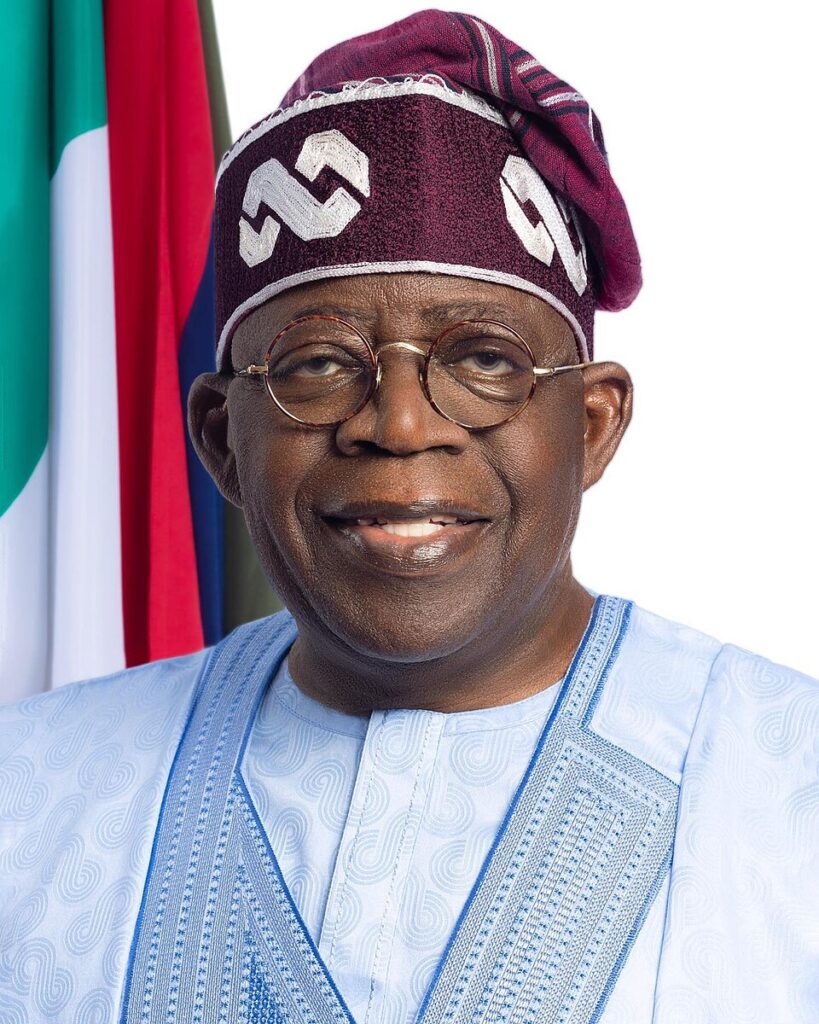
“Religious freedom and tolerance have been a core tenet of our collective identity and shall always remain so,” the Nigerian president stated, expressing his commitment to working with the United States and the international community to protect all religious communities.
Other Nigerian officials have also pushed back, noting that the violence in their country isn’t simply Christian persecution. They point out that Muslims—especially those who don’t subscribe to extremist interpretations of Islam—are also frequently targeted by groups like Boko Haram. In fact, human rights experts confirm that Muslims in Nigeria’s northern regions have been the majority of victims in the Boko Haram insurgency.
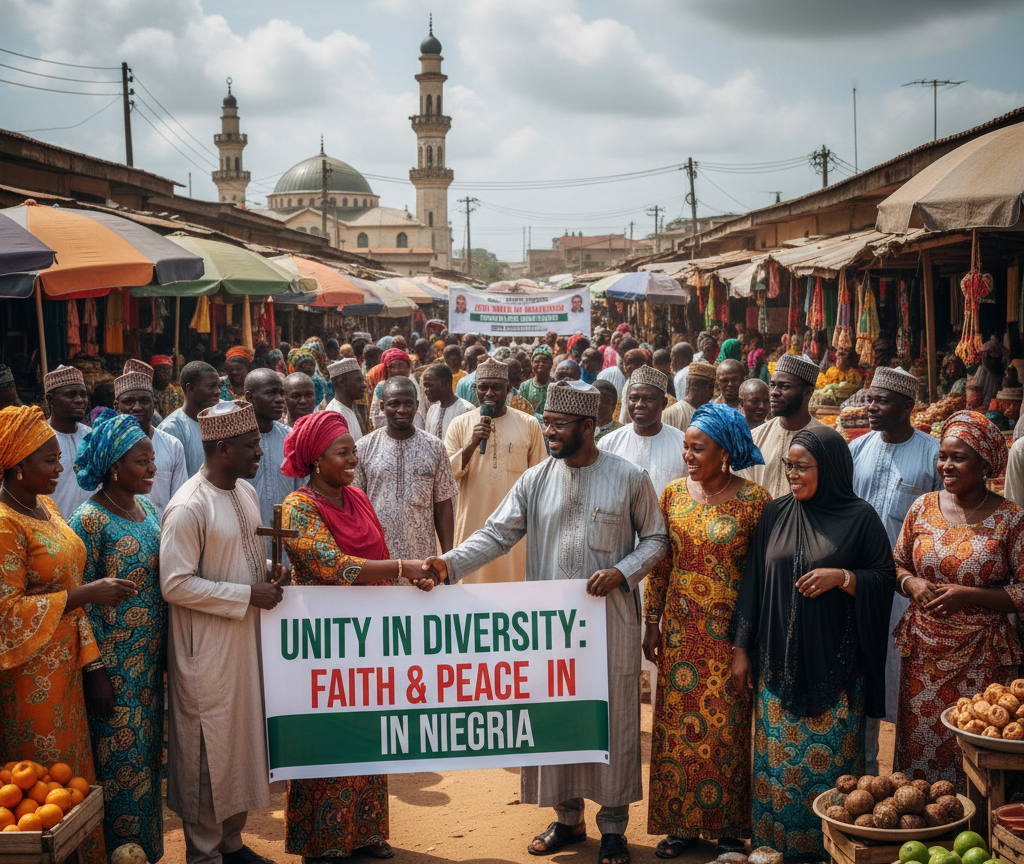
Nigeria is Africa’s most populous nation with about 220 million people, split almost evenly between Christians and Muslims. The country has 200 ethnic groups and practices Christianity, Islam, and traditional religions. While there is a long history of peaceful coexistence, violence has erupted from various sources—not just religious extremism, but also conflicts over resources, ethnic tensions, banditry, and organized crime.
Analysts and human rights groups emphasize that while Christians are certainly targets of violence, the situation is more nuanced than a straightforward campaign of Christian persecution. Attacks happen for multiple reasons: religious extremism, resource competition between farmers and herders, ethnic conflicts, and criminal activity.
Terrorists and armed groups in Nigeria kill and kidnap victims regardless of their religious beliefs, though certain groups do specifically target Christians in religiously motivated attacks.
Here is the political angle
Trump’s announcement has political dimensions worth noting. During his first term as president, Trump placed Nigeria on the religious freedom watchlist in 2020. President Joe Biden removed that designation in 2021, a move that observers saw as an attempt to improve U.S.-Nigeria relations. Now Trump has put Nigeria back on the list.
Senator Ted Cruz praised Trump’s decision, saying he’s “fought for years to counter the slaughter and persecution of Christians in Nigeria.” Cruz introduced legislation to lock in Nigeria’s designation as a country of particular concern.
Trump’s ambassador-designate for International Religious Freedom, Mark Walker, has also pledged to work with Secretary of State Marco Rubio to strengthen U.S. advocacy on this issue.
What will Happens Next?
The designation as a “country of particular concern” opens the door for the U.S. to implement various policy responses, including sanctions or the restriction of non-humanitarian aid. However, these measures aren’t automatic—they require specific decisions and implementation.
Trump’s threat of military action is unprecedented and raises many questions. The U.S. military recently withdrew about 1,000 troops from neighboring Niger, significantly reducing America’s military footprint in West Africa. What form any military intervention might take, or whether it’s even feasible, remains unclear.
The White House has not provided details about the potential timing of military action or what specific operations might look like. Nigeria is a sovereign nation and a major oil producer in Africa, making any military intervention extremely complicated politically and diplomatically.
The Human Cost
Behind all the political statements and policy debates are real people facing real violence. Christian communities in northern and central Nigeria live in constant fear. Villages have been burned to the ground, worshipers killed during Sunday services, and thousands forced to flee their homes.
In June, militants attacked the village of a bishop just days after he testified before Congress about Christian persecution, leaving more than 20 people dead. Similar attacks in Plateau and Benue states have killed hundreds throughout 2024, with survivors describing how gunmen shouted “Allahu Akbar” as they torched churches and homes.
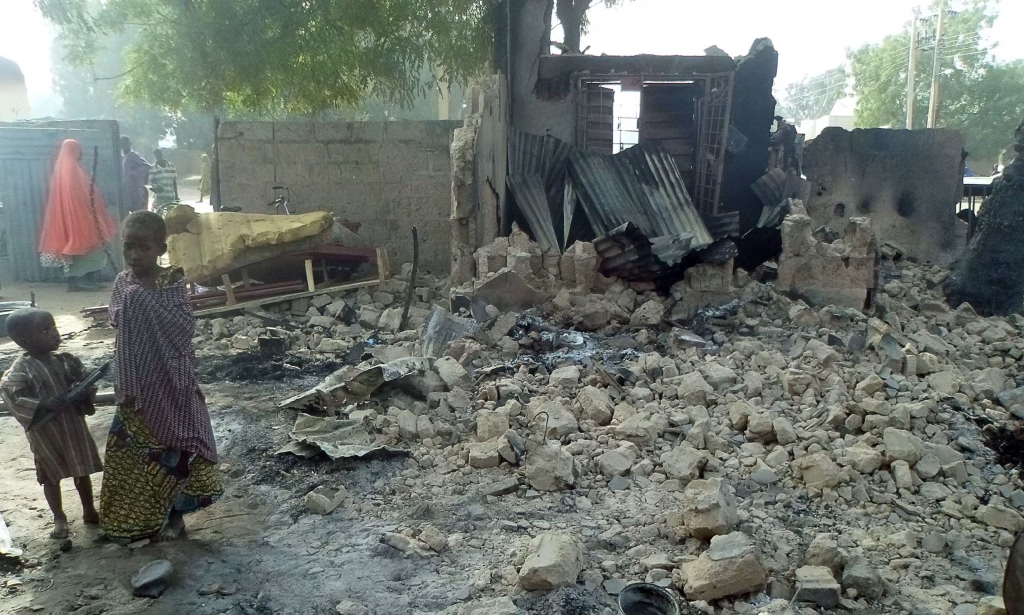
Recent attacks in January 2025 by Boko Haram in Chibok displaced more than 4,000 Christians in a series of coordinated raids that burned homes, torched churches, and killed five people. Eyewitnesses reported that militants demanded Christians convert to Islam or face death.
The violence has created more than 12 million displaced Christians since 2009, according to advocacy groups. Church leaders and pastors are frequent kidnapping targets because congregations can raise large amounts of money for ransom, which then funds terrorist operations.
Looking Forward
Trump’s statement represents a significant escalation in U.S. rhetoric toward Nigeria on this issue. Whether it leads to actual military action or serves primarily as diplomatic pressure remains to be seen.
The situation puts Nigeria in a difficult position. The country does face genuine security challenges from multiple terrorist groups that have proven difficult to eliminate. At the same time, international pressure may help focus resources and attention on protecting vulnerable communities.
For American audiences, especially evangelical Christians who have been concerned about Christian persecution worldwide, Trump’s strong stance signals that their concerns are being taken seriously at the highest levels of government. However, the complexity of Nigeria’s security situation means that simple solutions are unlikely.
What’s certain is that the people of Nigeria—Christians, Muslims, and others—deserve to live in safety and practice their faith without fear. Finding effective ways to achieve that security while respecting Nigeria’s sovereignty will require careful diplomacy, international cooperation, and sustained commitment from all parties involved.
The coming weeks will reveal whether Trump’s dramatic warning leads to substantive changes in Nigeria’s security situation or marks the beginning of a more complicated chapter in U.S.-Nigeria relations.

