
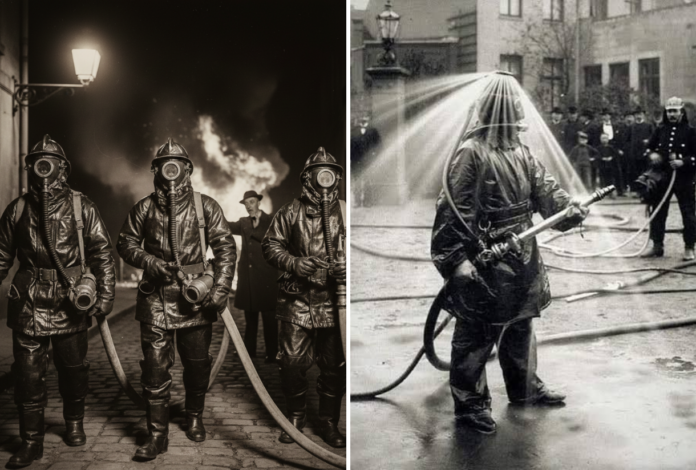
Before modern firefighting suits existed, fire itself was only part of the danger. People were often more frightened of the firefighter’s appearance than the flames. Heavy masks, strange hoses, and unnatural silhouettes made these men look like creatures from another world. Yet these frightening suits were built with one goal: survival, at a time when technology was poor and risk was extreme.
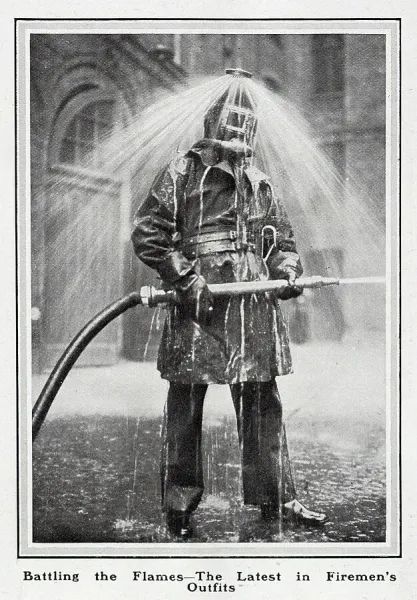
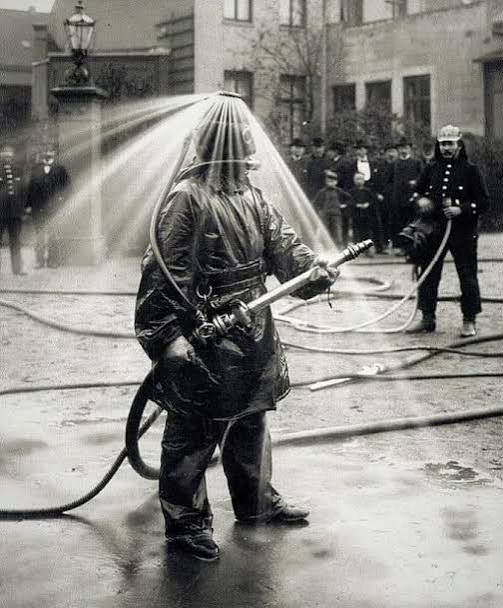
1880s – Germany | The Water-Shield Firefighter
When this suit first appeared on German streets, people reportedly stopped and stared in fear. A firefighter standing under a self-made rain of water looked unreal, almost mechanical. At a time when normal clothing burned easily, this system felt revolutionary. Compared to modern fire suits that cost thousands and use advanced fabrics, this design was simple but risky—if water pressure failed, protection disappeared instantly. It was cheap to build, expensive in effort, and terrifying to witness, but it showed how desperate early firefighting innovation truly was.
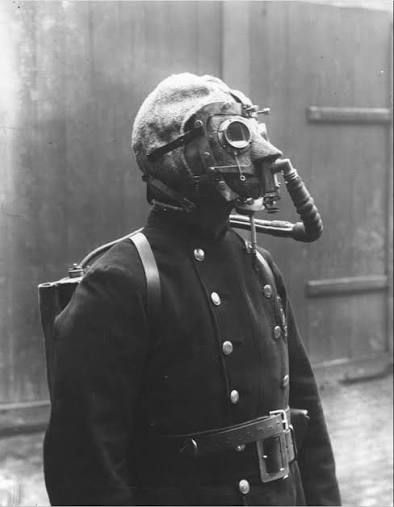
1910s–1920s – Europe & USA | The First Firefighter Gas Masks
These gas masks appeared during an era when smoke was seen as a silent killer. Civilians were not used to seeing masked men, and many associated these masks with war or death. Firefighters wearing round glass eyes and rubber faces looked more like secret agents than rescuers. Compared to modern oxygen systems that are highly engineered and extremely costly, these early masks were basic and unreliable, but they represented the first serious attempt to protect human lungs from fire.
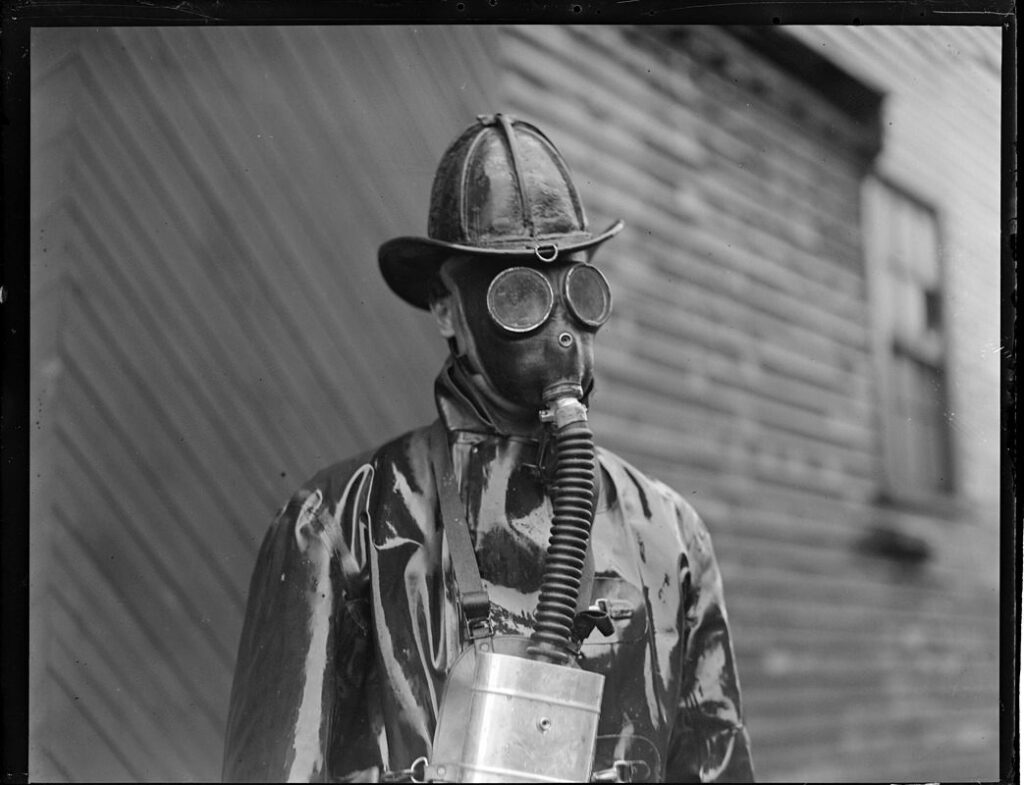
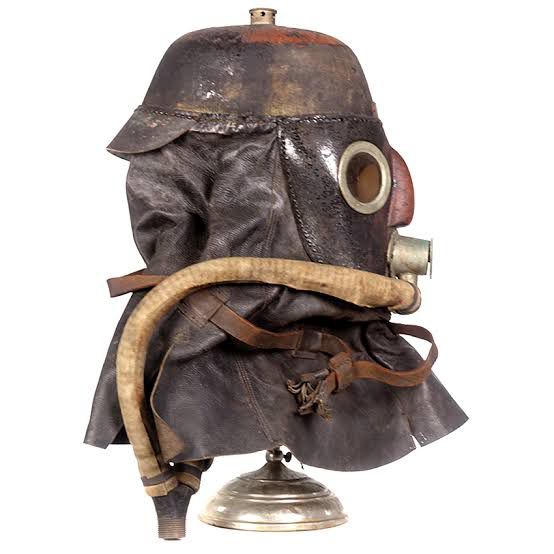
1930s – France | Shiny Rubber Fire Suits
In France, the rise of chemical fires created a new kind of fear. Firefighters dressed in shiny black rubber suits looked unnatural, almost inhuman, especially under streetlights. These suits were cheaper than modern heat-resistant gear but far more dangerous to wear, as heat built up quickly inside. Today’s suits are expensive because they are breathable and layered, but in the 1930s, survival mattered more than comfort. The fear these suits created was matched only by the danger they tried to fight.
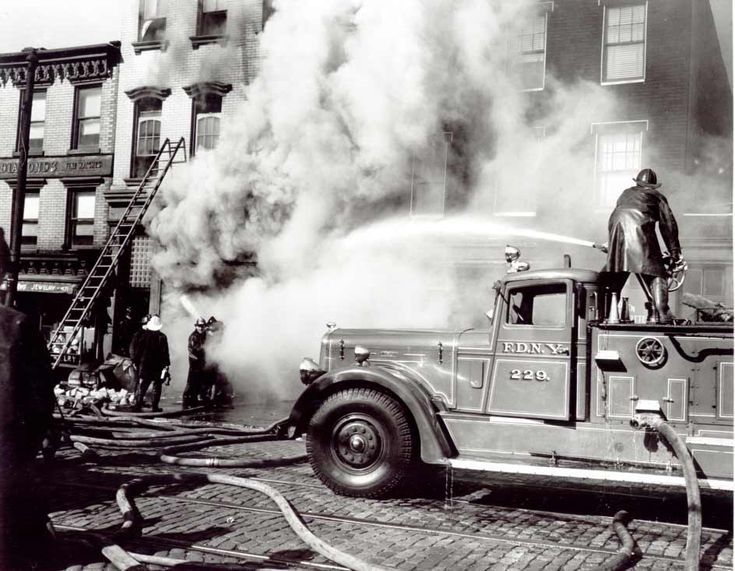
1940s–1950s – Soviet Union | Industrial Fire Masks
In the Soviet era, industrial growth brought massive fires in factories and oil facilities. Firefighters wearing thick rubber masks and heavy breathing systems became symbols of industrial danger. To civilians, they looked like workers from a secret experiment. Unlike modern firefighting gear, which is extremely expensive and scientifically tested, these masks were strong but crude. They protected against toxic smoke, but at the cost of mobility and exhaustion, showing how safety was often secondary to strength.
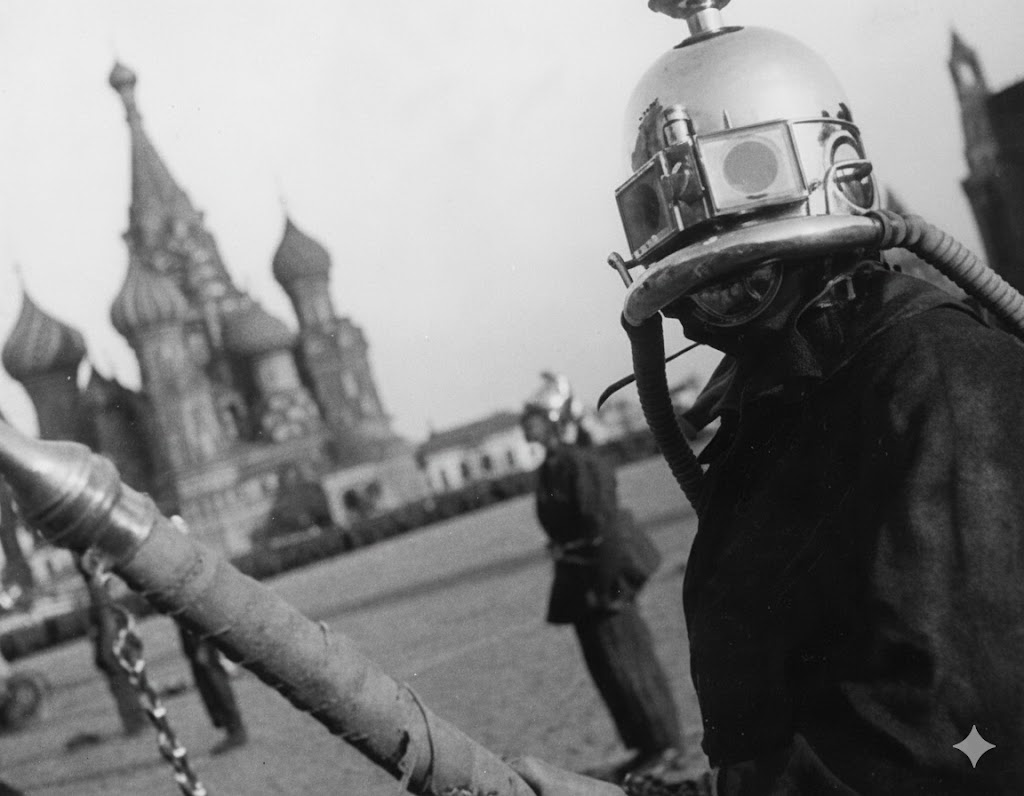
1970s – Japan | Full-Head Firefighter Masks
Japan’s experimental full-head firefighter masks shocked people because they completely hid the human face. At a time when modern firefighter suits were becoming more advanced and costly, these designs tried to push protection even further. The suits looked futuristic, almost like space helmets, and many people feared them at first. Although expensive and difficult to maintain, these experiments helped shape today’s panoramic masks, which balance cost, safety, and human visibility far better.
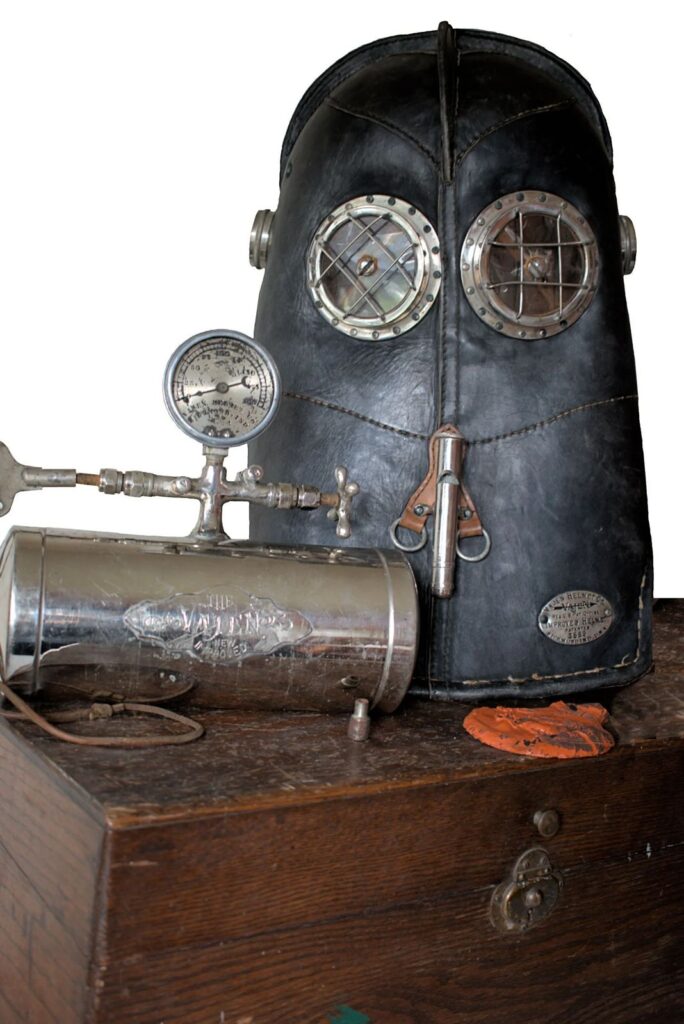
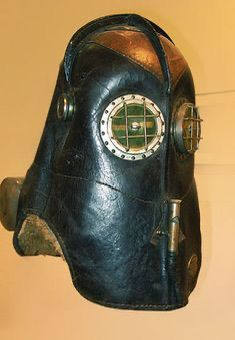
A Quiet Comparison With the Modern World
Today’s firefighting suits are incredibly expensive because they are designed to protect, breathe, communicate, and last. Older suits lacked all of this, yet they demanded something modern gear rarely does—total physical sacrifice. People once feared the sight of firefighters because the gear looked deadly, not safe. That fear tells us how dangerous those times truly were.
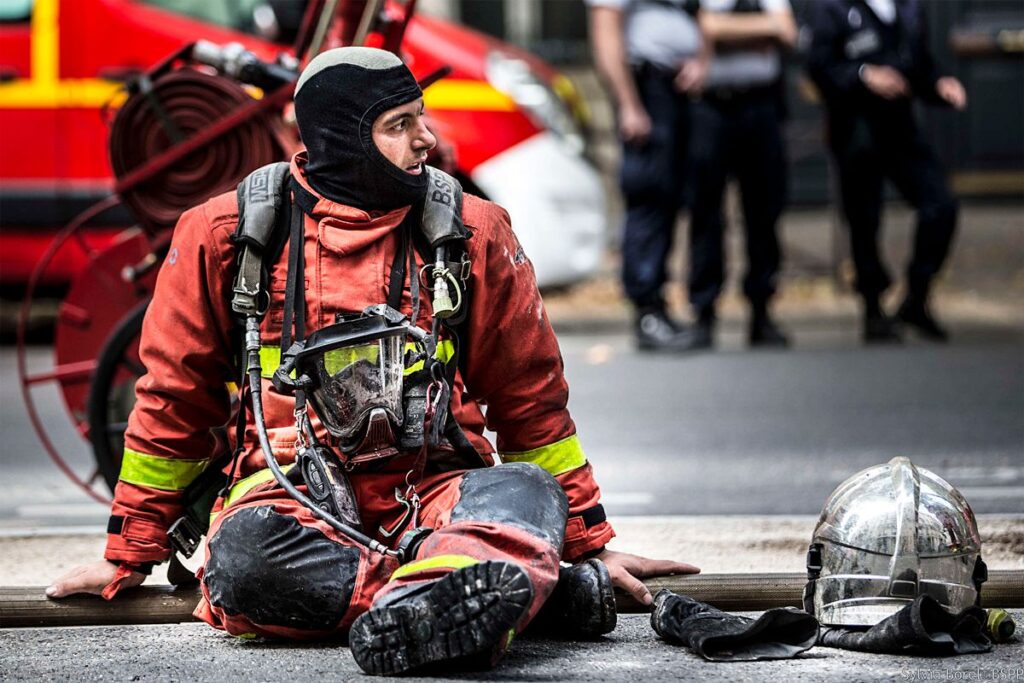
Final Thought
These strange firefighter suits were not mistakes—they were brave answers to fear, fire, and limited knowledge. They may look like spy equipment today, but in their time, they were the cutting edge of survival. What excites people now is not just how they looked, but the courage it took to wear them.

