
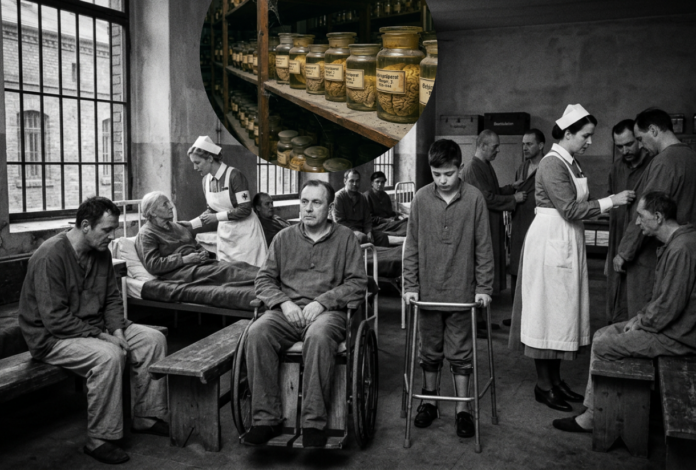
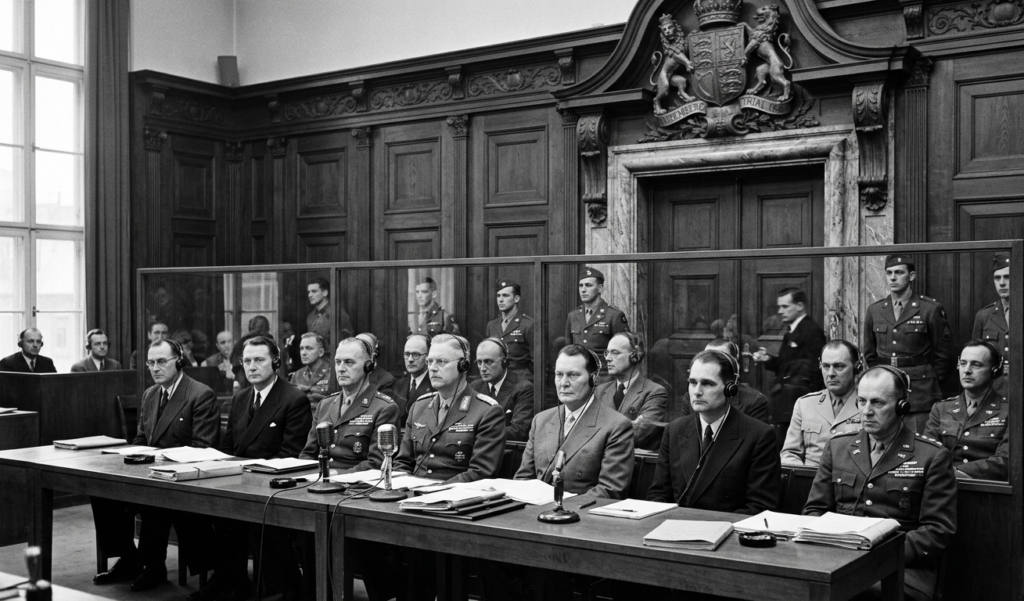
On December 9, 1946, a trial began in Nuremberg against Nazi doctors. They were charged with conducting experiments on humans and mass killings, often disguised as “mercy killings.”
Identifying the Victims.
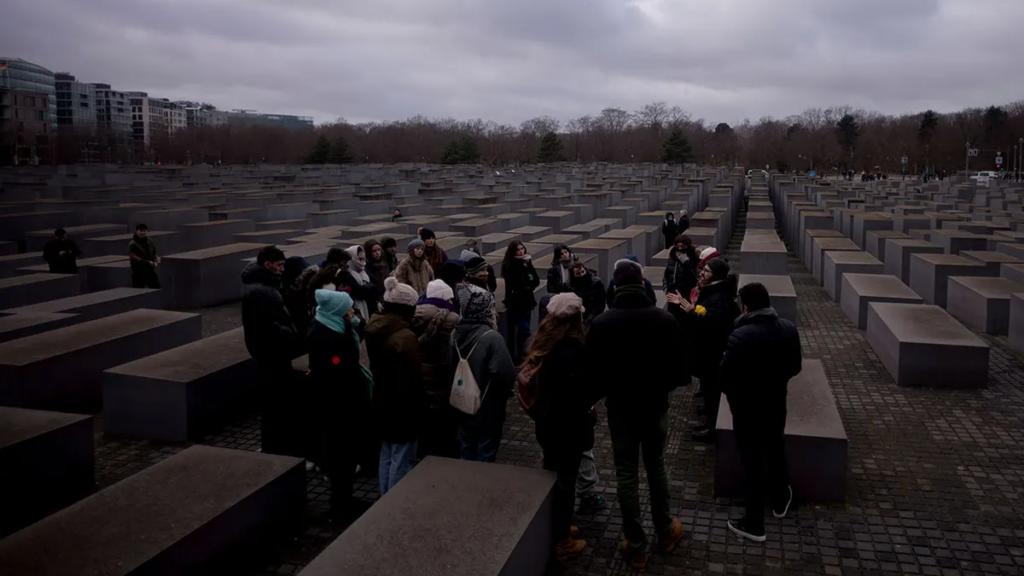
In 2017, work began to identify the tens of thousands of victims of Nazi experiments. This process continued until 2020, with the goal of giving these victims a proper and dignified burial.
Brain Samples Still Exist.

At the Max Planck Institute archive in Munich, a large number of brain samples still exist — some are complete brains, others are just pieces preserved in formalin (a chemical liquid).
Most of these belonged to victims of the Nazi regime — people who were simply sick or mentally disabled. Under Hitler’s ideology, they were labeled “unworthy of life” and became targets of his racial cleansing program.
The T4 Euthanasia Program
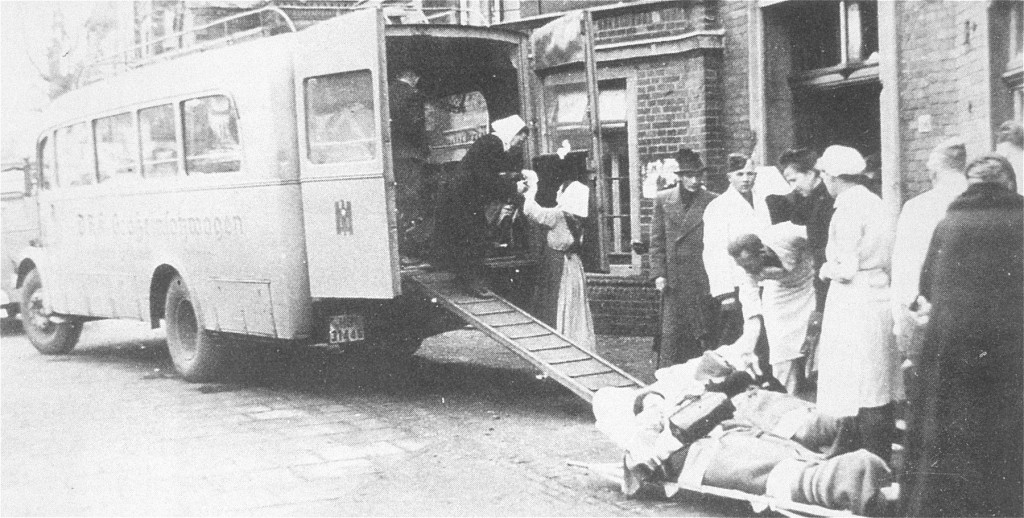
Within the German government system at the time, the “T4 Euthanasia Program” involved killing around 300,000 people. Their brains were stored in laboratories for research on neurological disorders.
If Nazi doctors found someone’s illness “interesting,” they could even remove brain tissue while the person was still alive.
Due to the war, there was no time for proper research, so samples were stored in formalin for later.
Josef Mengele’s Research.
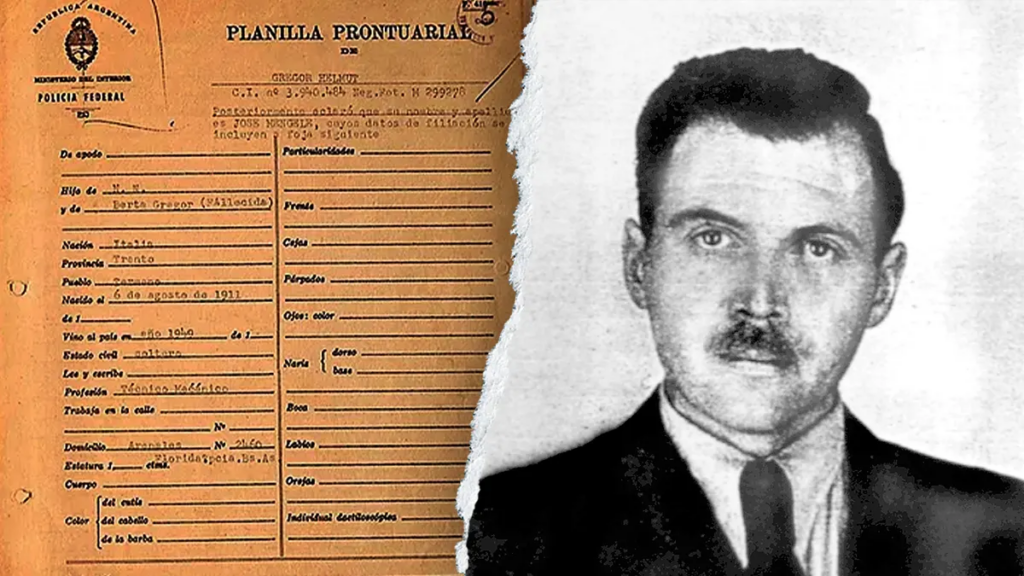
Some samples became part of research led by the infamous Josef Mengele and other scientists. Many of his “findings” were included in medical textbooks worldwide, and many works were published based on these preserved samples — but the origin of the samples was rarely mentioned.
Early Nazi Policies.
At the start of Nazi rule, laws were passed ordering the forced sterilization of sick and mentally disabled people. Pregnant women whose babies were found to be developing “abnormally” were forced to have abortions, to ensure only “pure Aryan” children were born.
Ongoing Investigation.
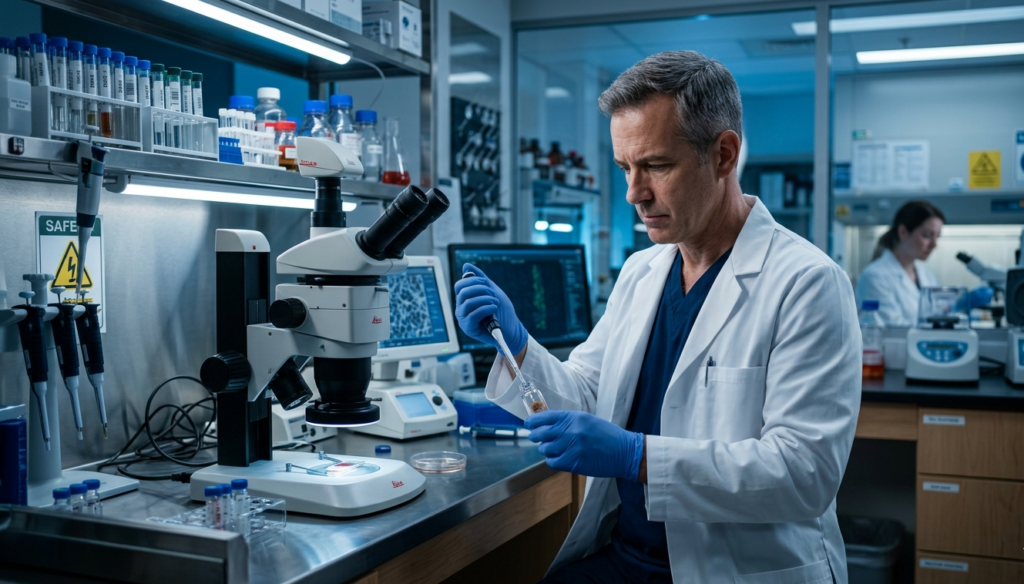
A team of scientists from Germany, Austria, Great Britain, and the USA are examining these samples to identify victims by name, as until now they were only known by numbers.
The goal is to identify all victims within three years and ensure they receive a dignified burial.
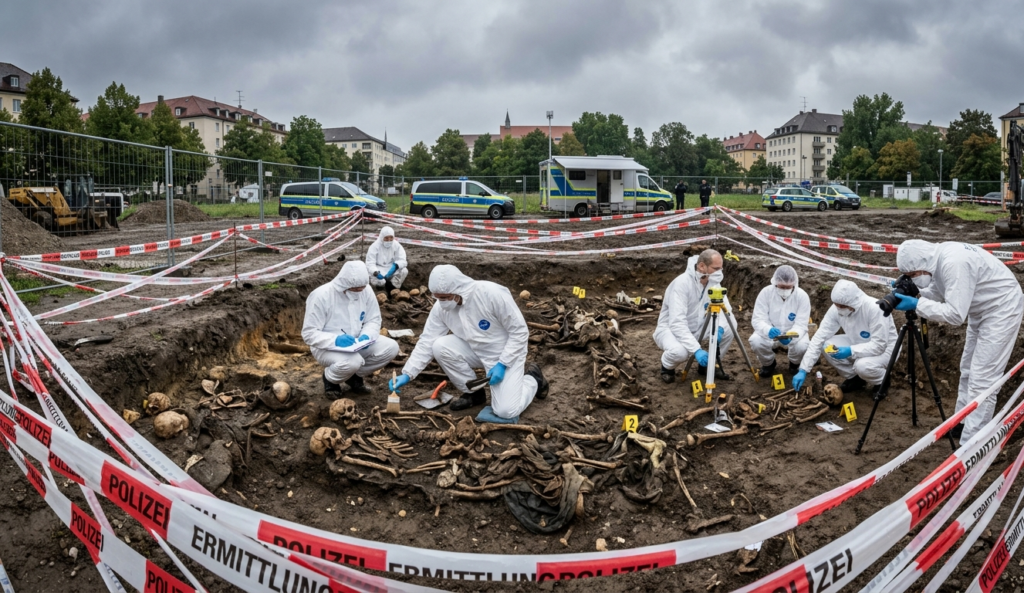
A similar situation occurred in the 1990s in Munich, when 100,000 human tissue samples were found in a mass grave. These included body parts of euthanasia victims, victims of medical experiments, camp prisoners, forced laborers, and opponents of the Nazi regime.

