
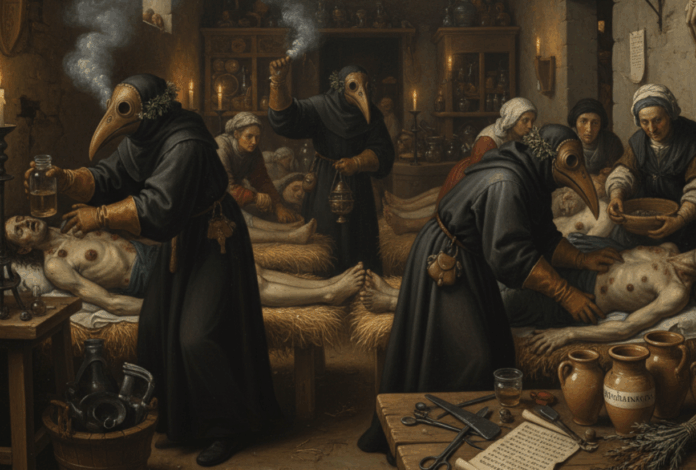
Between 1346 and 1353, a mysterious disease swept across Europe and Asia, turning bodies black and killing up to 200 million people in just seven years, making it deadlier than World War II.
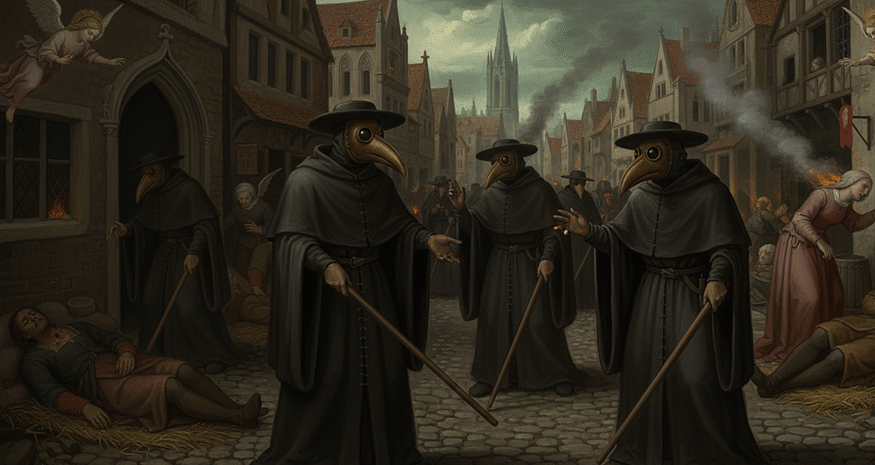
The Black Death stands as one of humanity’s darkest chapters — a catastrophic pandemic that claimed more lives in less than a decade than World War II did in six years. While the Second World War resulted in approximately 50–80 million deaths, the medieval plague is estimated to have killed between 75–200 million people across Europe and Asia, wiping out a staggering 60% of Europe’s entire population.
This wasn’t just another disease. It was a killer so devastating that entire villages were left abandoned, cities became ghost towns, and the very fabric of medieval society was torn apart.
How the Plague Spread From China to Europe
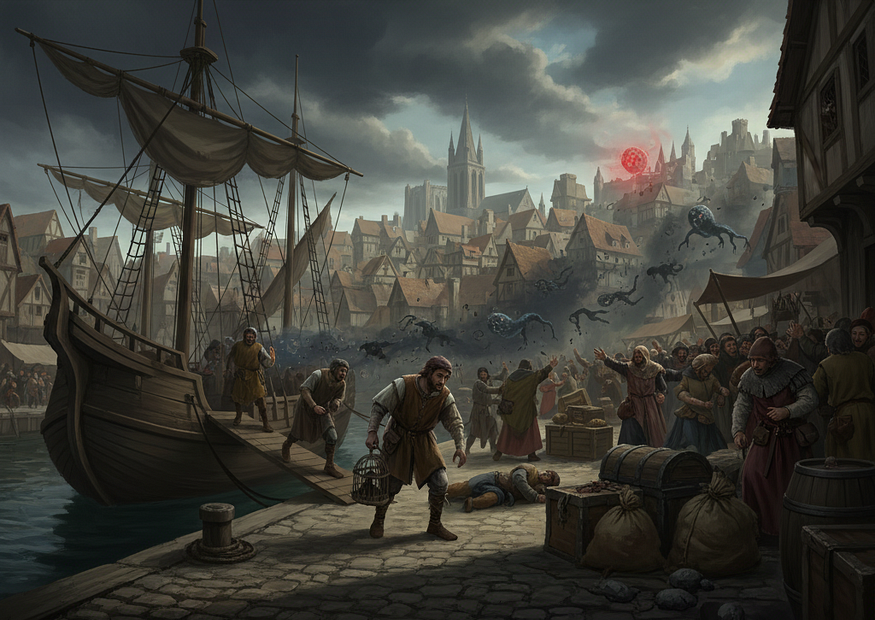
The plague is believed to have originated in China before making its deadly journey westward. Like an unstoppable force, it spread along the ancient Silk Road trade routes, moving through India before finally reaching Europe. The disease hitched a ride with merchants, travelers, and traders who had no idea they were carrying death itself.
Italian sailors returning from Asia became unwitting carriers of the plague, bringing it to European ports. From there, it spread like wildfire through the crowded, unsanitary cities of medieval Europe, where people lived in close quarters with little understanding of hygiene or disease transmission.
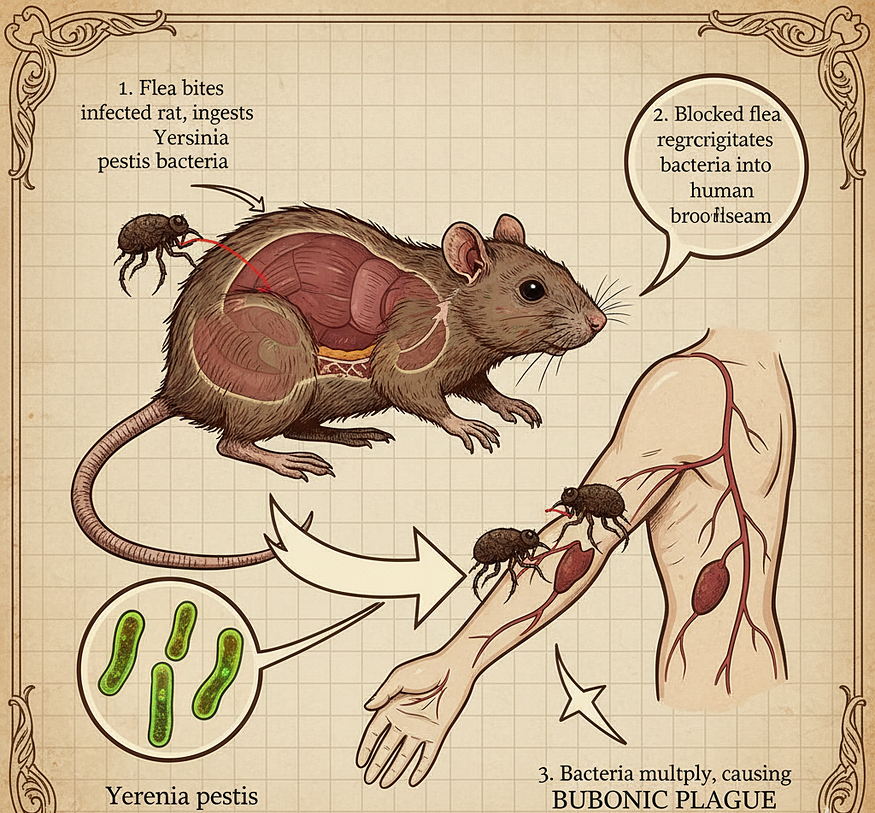
The real culprits behind this mass death were surprisingly small: rats and their fleas. The disease spread through an insidious chain of infection. Rats carrying the plague bacteria would be bitten by fleas, which would then become infected with the bacteria. When these fleas bit humans, they transmitted the deadly bacteria into people’s bloodstreams.
In medieval cities, rats were everywhere — scurrying through streets, living in homes, and thriving in the garbage and waste that accumulated in urban areas. People had no idea that these rodents and their tiny parasites were responsible for the devastation around them.
Why It Was Called the “Black Death”?.
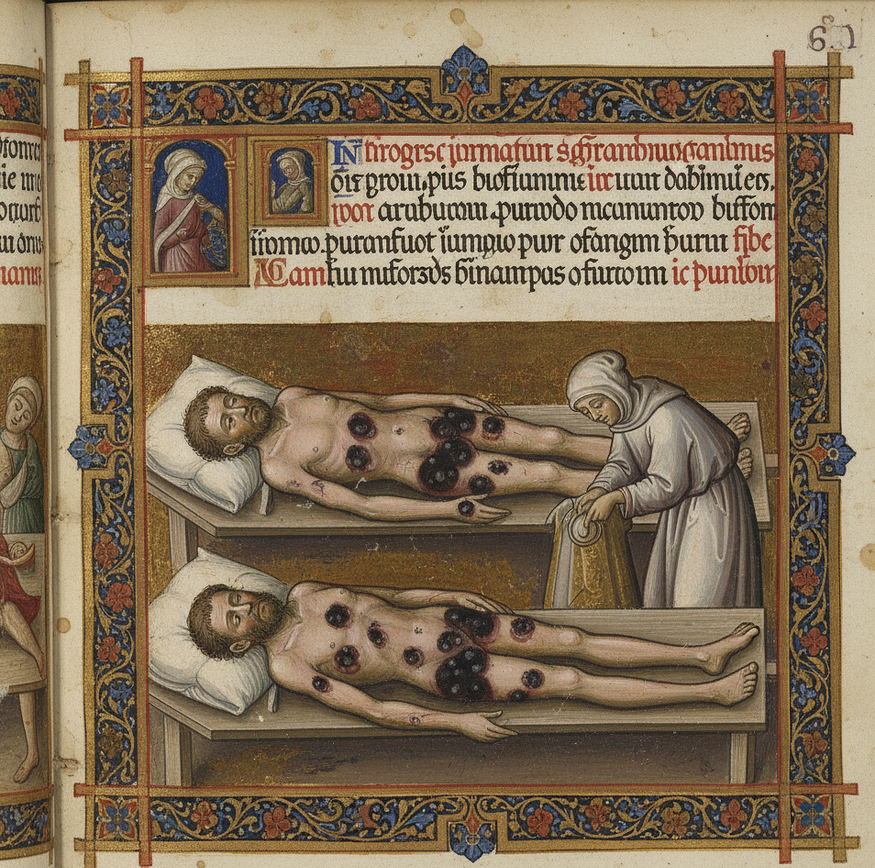
The plague earned its terrifying name for grim reasons. Victims developed horrifying black spots on their bodies as the disease progressed. Even more disturbing, the bodies of those who died turned very dark, giving the corpses an unsettling appearance that struck fear into the hearts of survivors.
Imagine watching your loved ones develop these sinister black marks, knowing that death was likely just days away, with no cure and no hope.
Helpless Doctors and a Medieval Medical Mystery
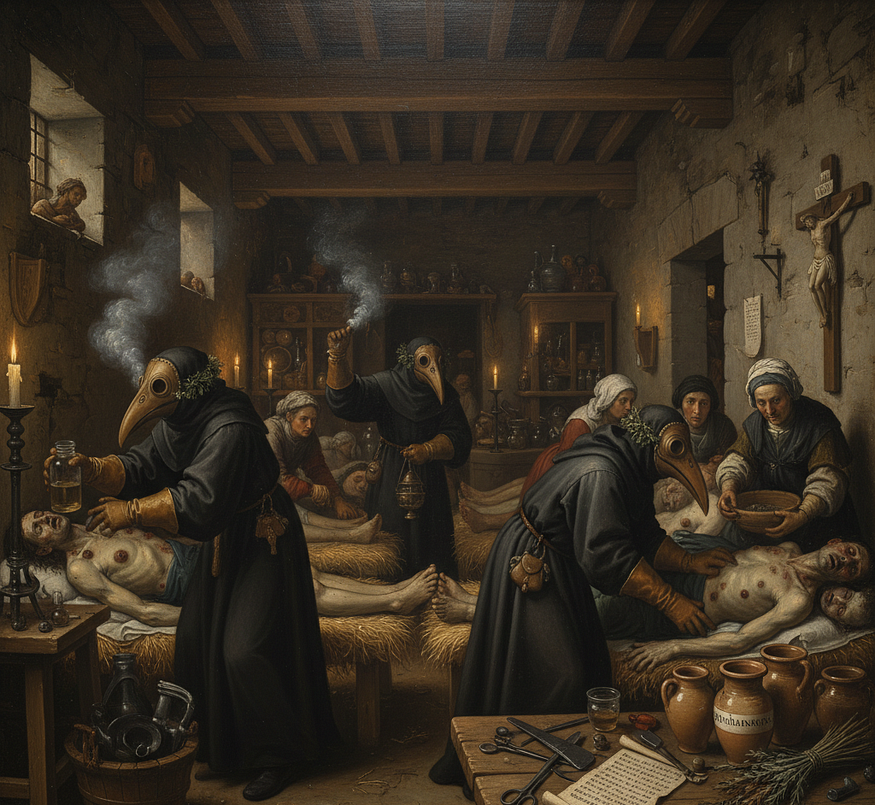
Medieval doctors were completely baffled. They had no idea what caused the disease or how to treat it. Some blamed “bad air,” others thought it was divine punishment, and many tried bizarre treatments that did nothing to stop the death toll.
The tragic reality? The Black Death was a bacterial infection, and the cure that could have saved millions-antibiotics-wouldn’t be discovered for another 600 years. Without these life-saving medications, the disease spread with terrifying speed, jumping from person to person, village to village, country to country.
Doctors tried bloodletting, burning aromatic herbs, and even drilling holes in patients’ skulls, but nothing worked. They were fighting an invisible enemy with medieval tools, and humanity was losing badly.
That Changed History Forever
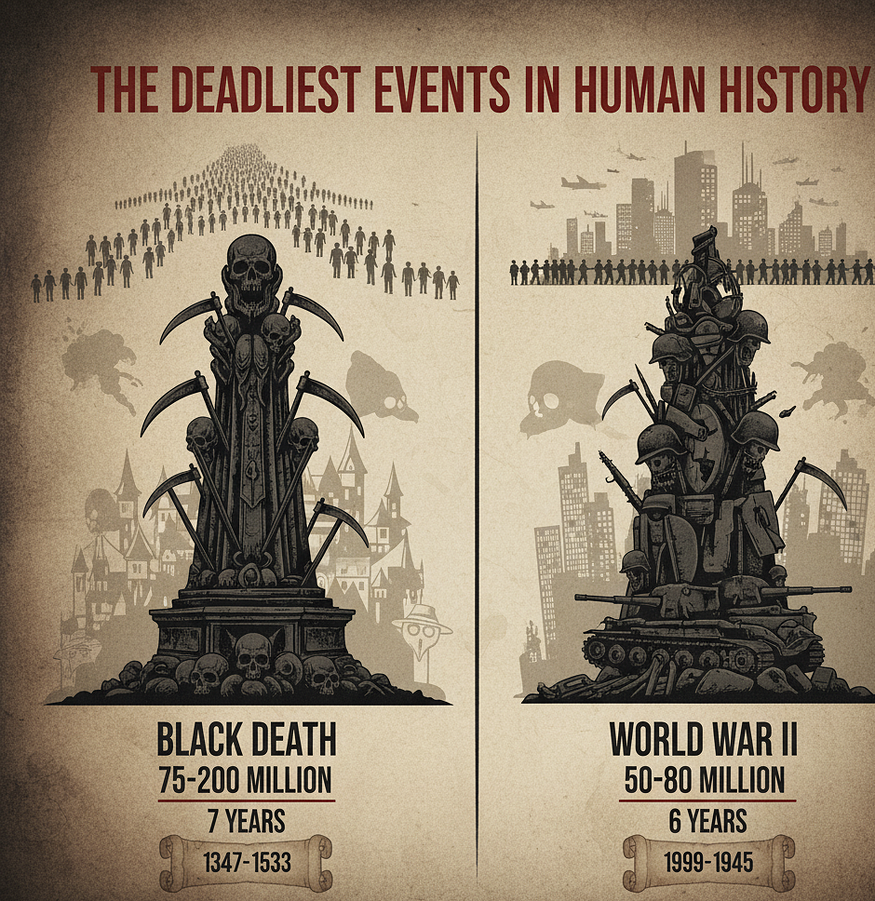
The Black Death killed more people in seven years than World War II did in six — and it did so without bombs, guns, or armies-just microscopic bacteria, carried by rats and fleas, bringing civilization to its knees.
The pandemic reshaped Europe’s economy, weakened the feudal system, and left psychological scars that lasted for generations. It serves as a stark reminder of how vulnerable humanity can be to infectious diseases — a lesson that remains relevant even today.

