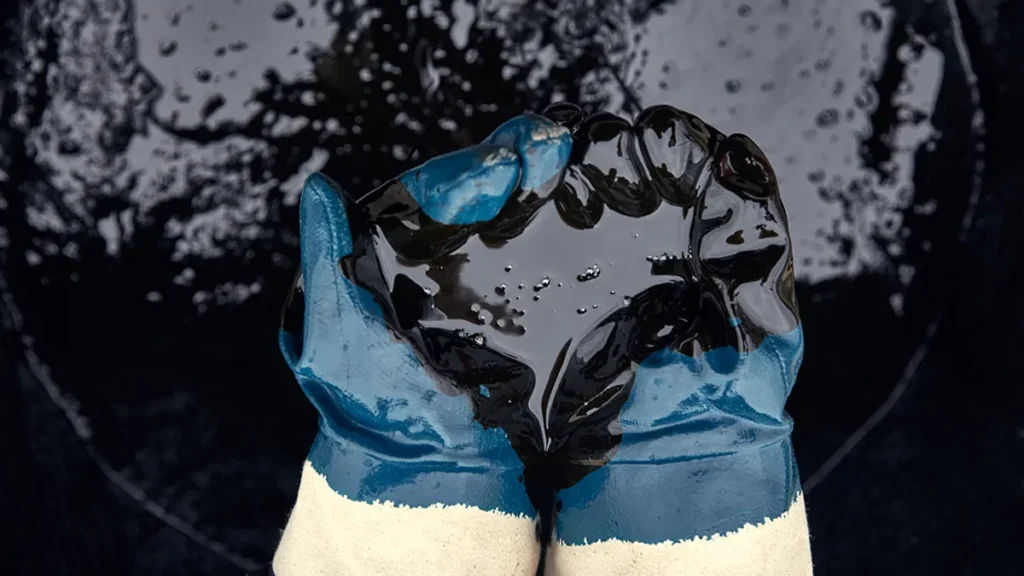
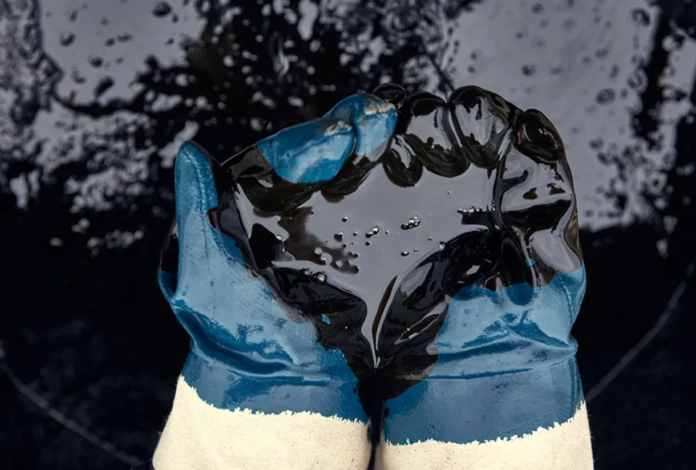
What Is This Black Jelly-Like Fuel?
The black jelly-like fuel used by very large ships is called Heavy Fuel Oil (HFO) or Bunker Fuel.
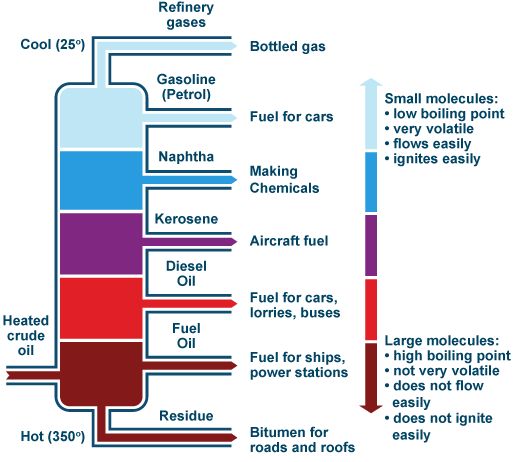
It looks thick, sticky, and almost solid at normal temperature. This fuel is the leftover part of crude oil after petrol, diesel, and kerosene are removed in oil refineries.

When and How Was This Fuel Discovered?
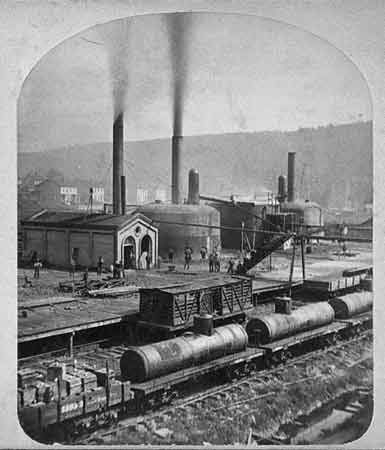
It was found naturally during oil refining in the late 1800s and early 1900s, when industries realized that the leftover thick oil could still be burned to produce power.
At first, this fuel was considered waste. Later, engineers understood that it was very powerful and cheap, especially for large machines.
Who Introduced It to Ships?
Marine engineers played a big role.
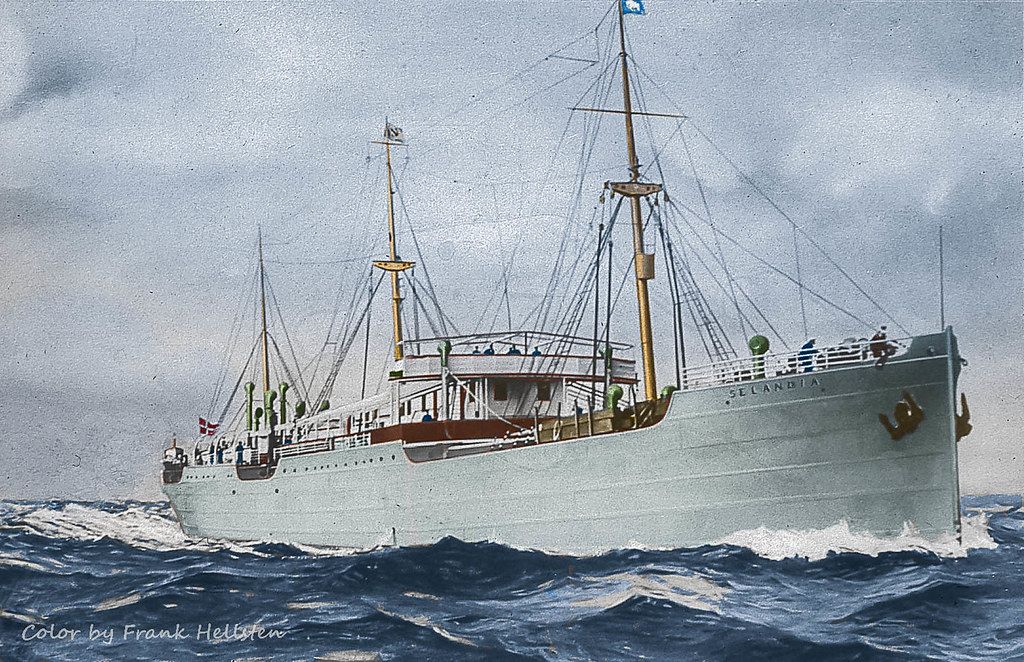
One important milestone was in 1912, when the ship MS Selandia became one of the first large ships powered by oil instead of coal. This proved that oil-based fuels were better for ships.
After this, heavy fuel oil slowly became common in cargo ships.
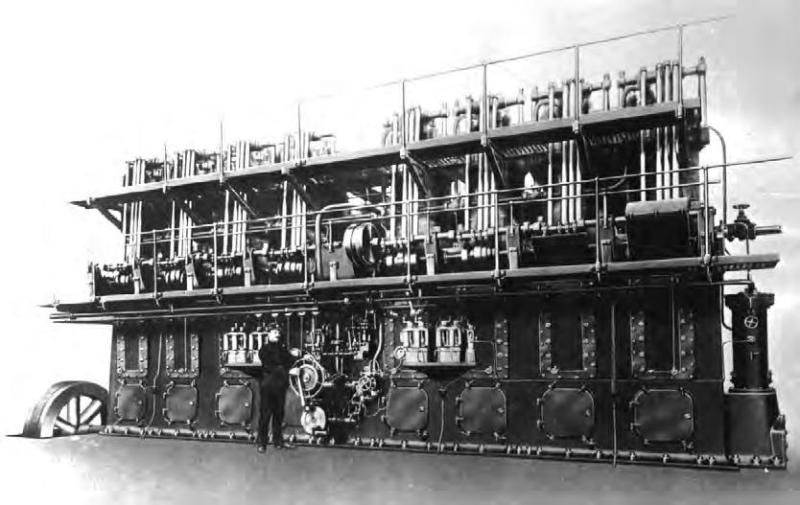
How Does Heavy Fuel Oil Work in a Ship?
Heavy fuel oil is too thick to use directly.
Inside a ship:
• The fuel is heated until it becomes liquid
• Pumps send it to the engine
• The engine burns the fuel to create power
• That power turns the ship’s propeller
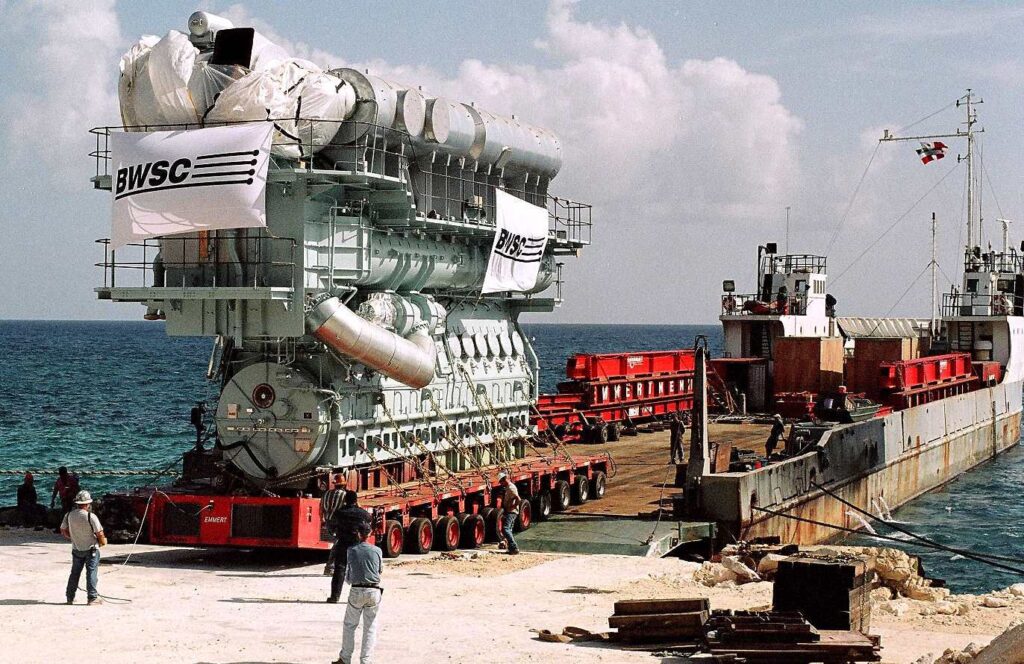
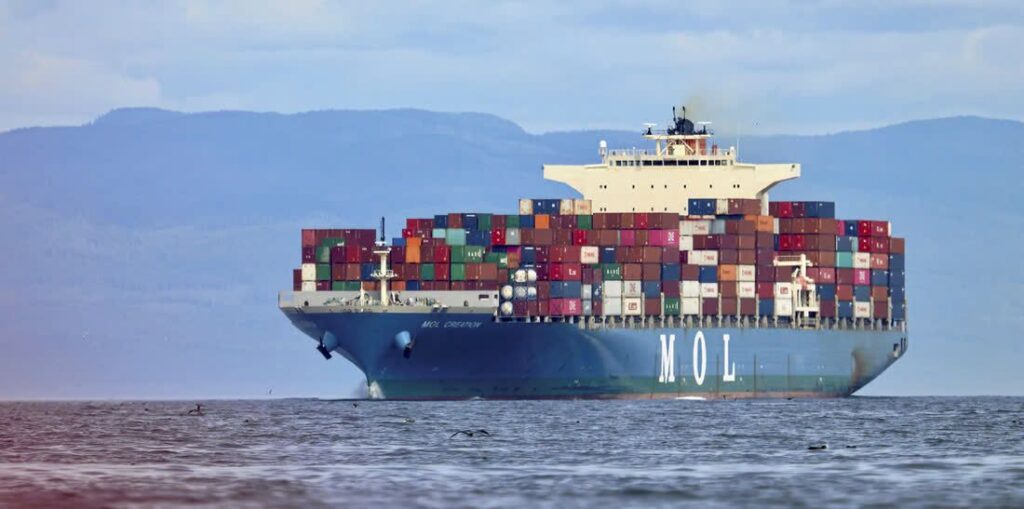
This allows ships weighing over 100,000 tons to move across oceans.

Why Does It Look Like Jelly?
At room temperature, heavy fuel oil is very viscous (very thick).
When it is cold, it looks like black jelly or tar.
Only after heating does it flow like liquid fuel.
Why Do Ships Use This Fuel?
Heavy fuel oil is still used because:
• It is very cheap
• It has high energy
• It is suitable for long ocean journeys
• Engines for big ships are designed for it
This helps global trade stay affordable.
Problems and the Future
Heavy fuel oil causes:
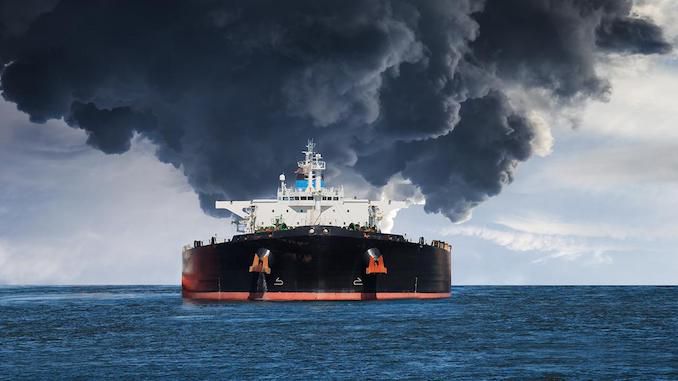
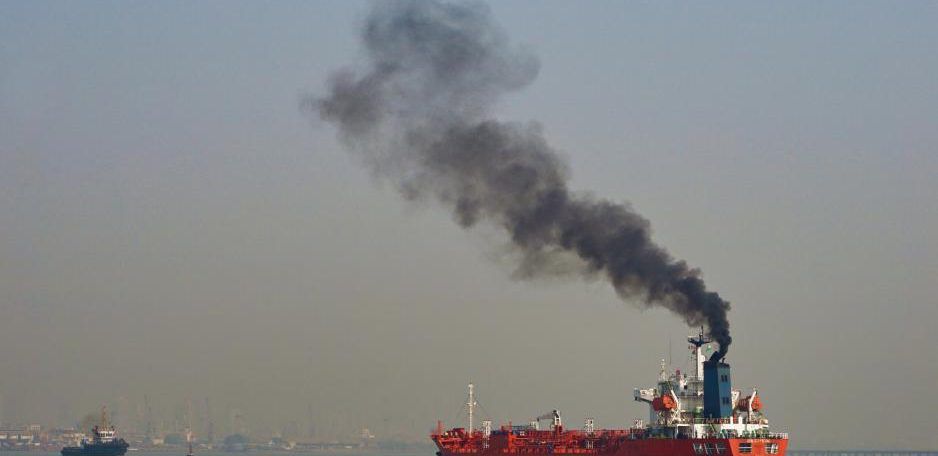
• Air pollution
• Sulfur emissions
• Environmental damage
Because of this, many countries now limit its use. Ships are slowly moving toward cleaner fuels like low-sulfur fuel, LNG, and alternative energy.
Conclusion
The jelly-like black fuel may look strange, but it has powered the world’s largest ships for over 100 years.
It changed shipping history by making ocean transport cheaper and stronger, even though the world is now searching for cleaner options.