
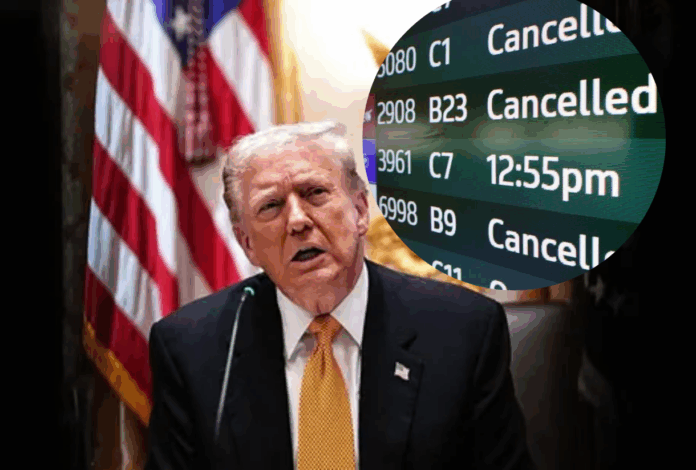
The federal government shutdown, which began on October 1 following failed negotiations between Senate Democrats and Republicans over a short-term government funding plan, has now extended into its 39th day, according to recent reports.
The aviation industry has been significantly impacted, with airlines canceling nearly 1,500 flights this week alone after being instructed to reduce air traffic operations during the ongoing shutdown. The airports most severely affected include Charlotte/Douglas International, Newark Liberty International, and Chicago O’Hare International—three of the nation’s busiest hubs.
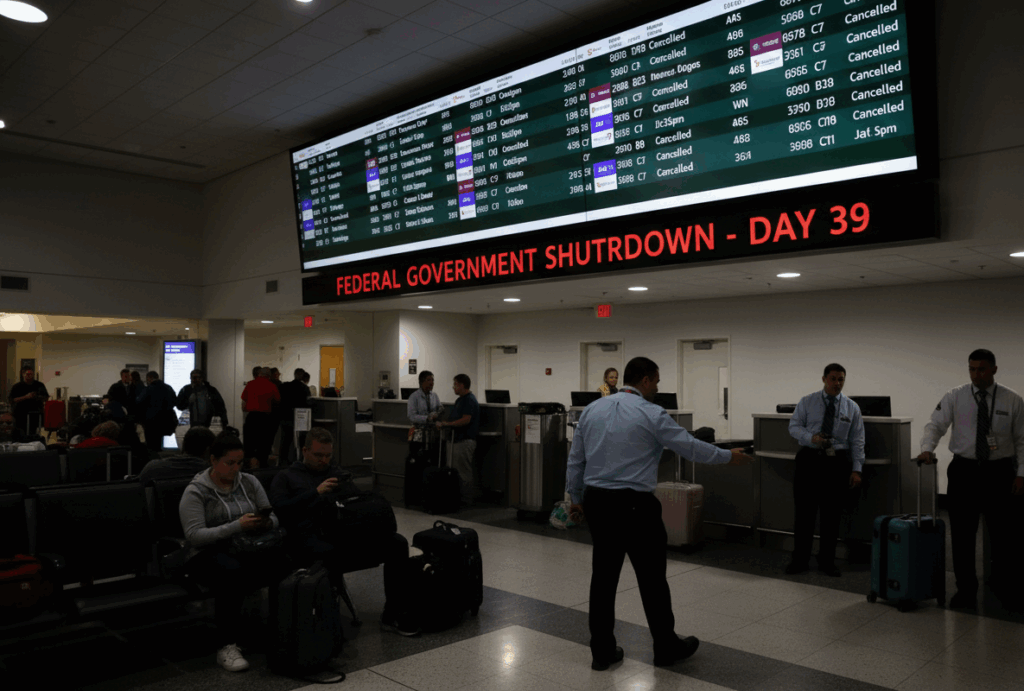
In a statement released yesterday, American Airlines joined other carriers in urging “leaders in Washington, D.C., to find an immediate solution to end the shutdown.” The company’s call for action underscores the mounting pressures facing the travel industry and the broader economy.
The shutdown has created increasingly chaotic conditions across the nation. Federal workers continue to work without pay, while millions of Americans face delays in receiving critical food assistance programs. These cascading effects highlight the far-reaching consequences of prolonged government funding disputes.
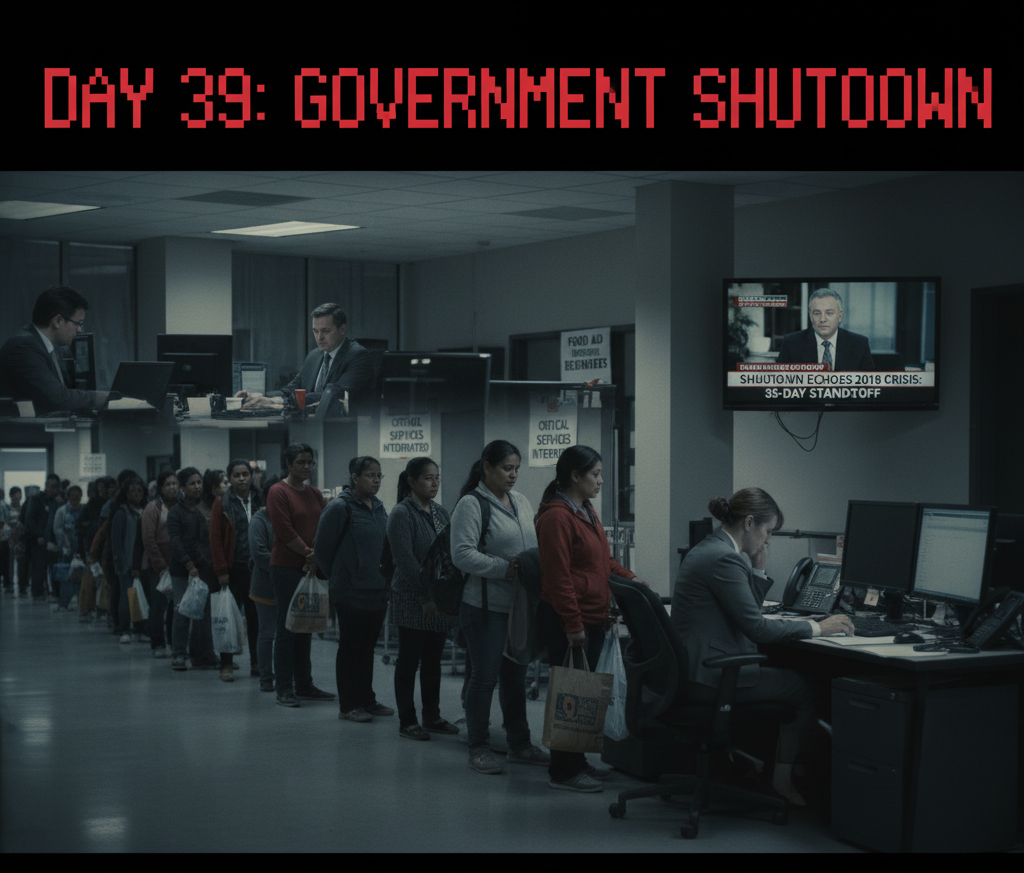
This extended shutdown echoes a similar crisis from Trump’s first term. In December 2018, approximately two years into the administration, a 35-day partial government shutdown occurred after Congress failed to reach an agreement on government funding, making the current situation comparable in both duration and severity to the previous standoff.

