

Many women work hard to maintain a healthy body shape and struggle to shed unwanted weight. However, older women often find this significantly more challenging. Why is that? Let’s talk about that in this article.
This challenge typically begins after the age of 40. No matter how carefully you control your diet or how regularly you exercise, you may barely notice any meaningful change on the scale. So what’s really going on?
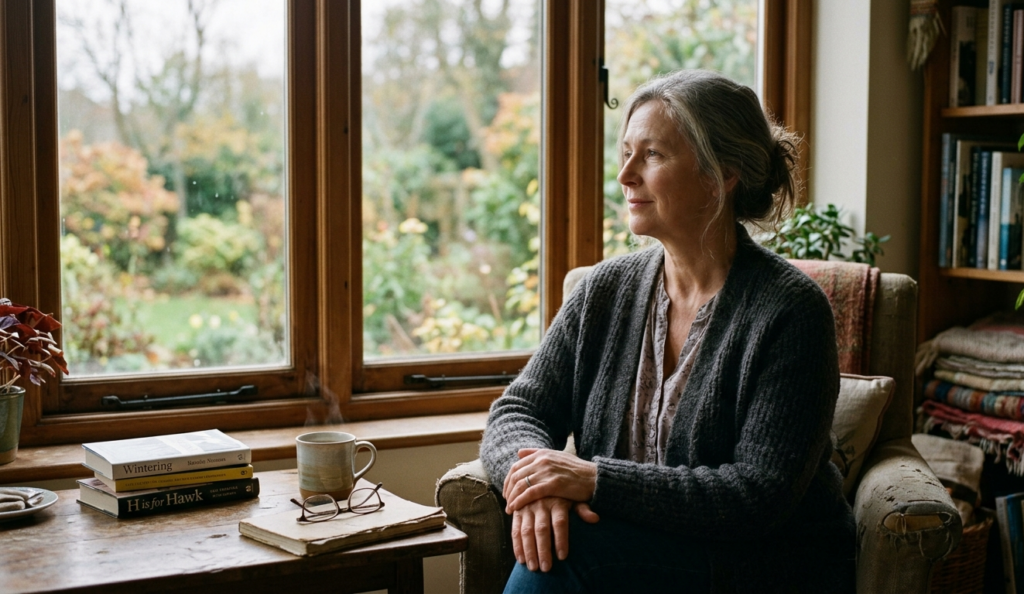
For most women, a natural body change occurs somewhere between the ages of 45 and 55. During this time, certain hormone levels in the body drop significantly. As a result, extra fat tends to build up around the belly area. This change in how the body stores fat can lead to weight gain and may also raise the risk of health problems such as high blood pressure, heart disease, and diabetes.
Additionally, the growth hormone produced by the pituitary gland begins to decline from middle age onward. Since this hormone plays a key role in building and maintaining muscle mass, its decline makes it harder for your body to build muscle — which in turn reduces the number of calories you burn each day.
Your Body Burns Less Energy.
The loss of muscle mass directly causes your metabolism to slow down. With more body fat and less muscle, your body burns fewer calories. On top of that, many people naturally become less physically active as they age, which slows the metabolic rate even further.
Increased Fatigue and Stress
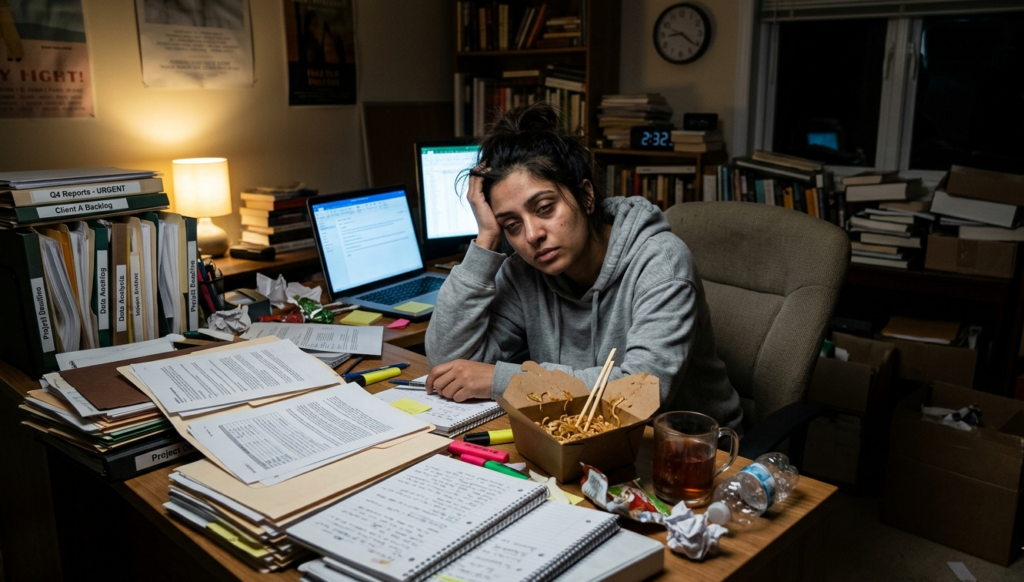
As you approach your 45–50s, balancing a demanding career with everyday life can make weight loss feel almost impossible. After spending eight or more hours at work, followed by hours of household responsibilities, finding time for proper diet and exercise can feel like a distant dream.
Convenience often wins over nutrition — grabbing fast food instead of preparing a healthy meal becomes routine. This cycle of exhaustion and chronic stress makes the journey to weight loss even harder.
Major Lifestyle Changes.

Women’s lives go through enormous changes over the years. Time that was once devoted to personal health — exercise, meal planning, self-care — gets redirected toward children’s education, household duties, and family responsibilities. This very real, practical challenge makes maintaining a healthy weight increasingly difficult.
PCOS (Polycystic Ovary Syndrome)
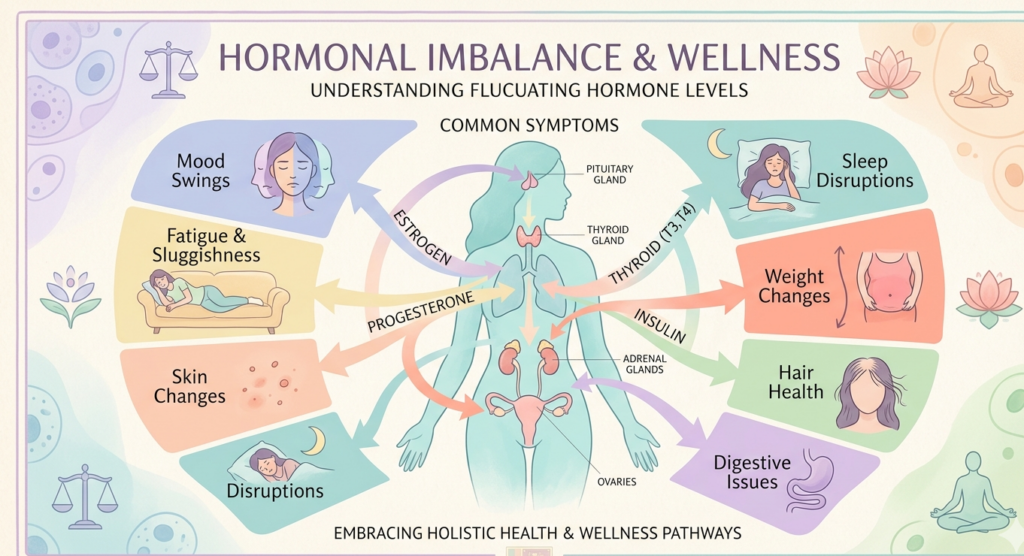
Between 5% and 10% of women suffer from PCOS. Because this condition is rooted in a hormonal imbalance, it makes losing weight significantly more difficult and also leads to irregular menstrual cycles.
Poor Nutritional Choices.
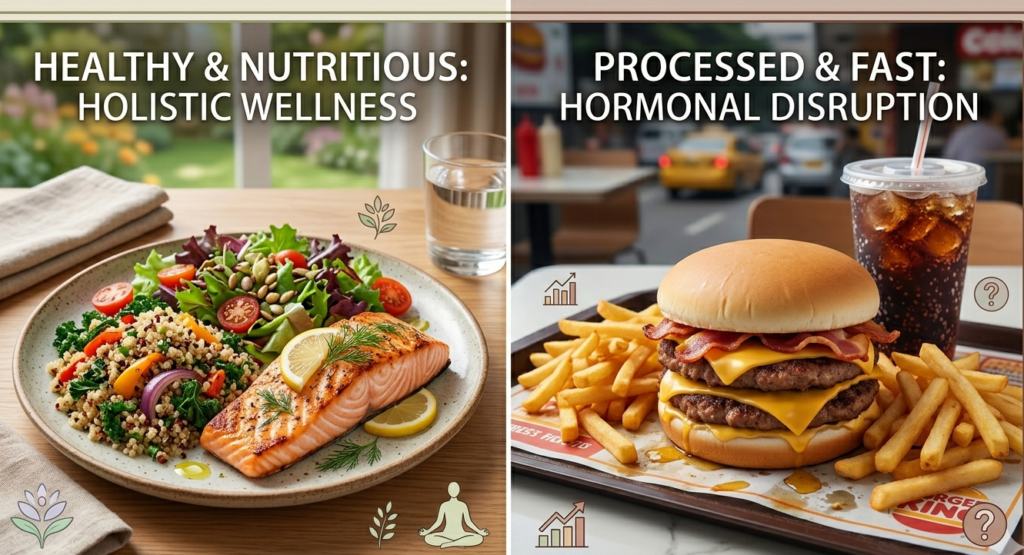
As life’s responsibilities pile up, many women gradually stop prioritizing their own well-being. Instead of eating nutritious, balanced meals, they settle for whatever is quick and available, just to satisfy hunger. Over a long period, this habit can create a serious barrier to weight management later in life.
Poor Quality Sleep.

Middle age is often when sleep quality begins to deteriorate for many women. Not getting enough restful sleep has been linked to increased obesity and a higher risk of diabetes. Poor sleep makes it harder for the body to regulate glucose, leading to insulin resistance — a condition that directly contributes to weight gain.
A final word.
Due to all of these factors, your body will lose weight more slowly than it did in your younger years — and that’s completely normal.
The purpose of this article is not to discourage you from caring about your weight as you age. On the contrary, it’s a reminder to pay more attention to your body, with greater patience and commitment. Carrying excess weight over the long term can become the root cause of many serious health conditions down the road.
YOU MAY Like: The Best Butt Workouts You Can Do at Home

