
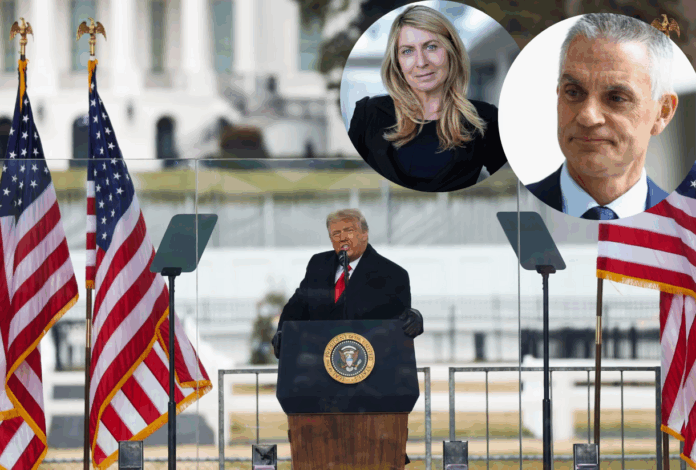
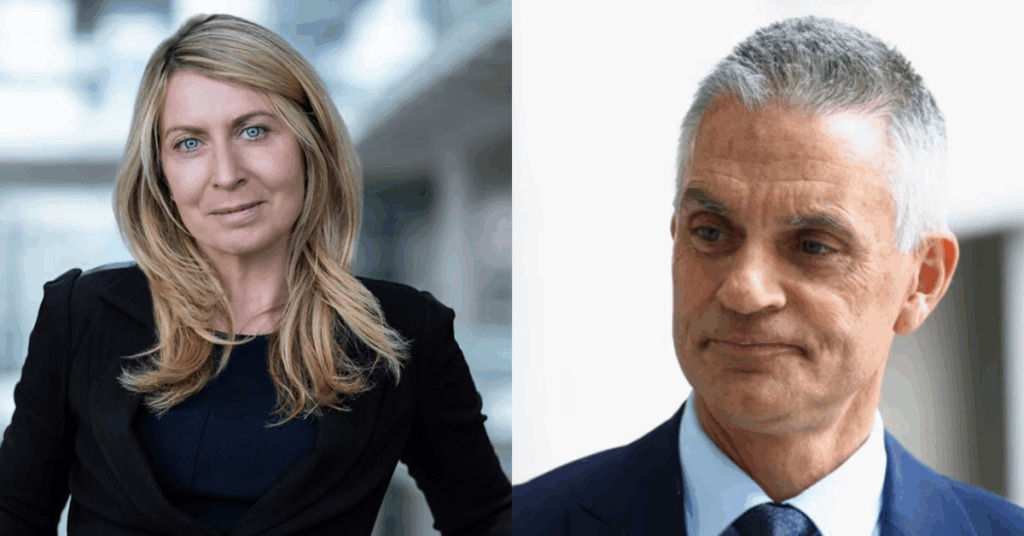
Two big bosses at the BBC quit their jobs on Sunday. Tim Davie was the top leader, and Deborah Turness ran the news section. They both stepped down after the BBC got in trouble for changing parts of a Donald Trump speech in a TV show.
What Happened?
The controversy centres on a BBC Panorama program titled “Trump: A Second Chance?” The program included portions of a speech Mr Trump made on January 6, 2021, before protesters attacked the Capitol in Washington. Critics said the speech had been misleadingly edited, with a section missing where Mr Trump stated that he wanted his supporters to demonstrate peacefully.
The leaked internal BBC memo revealed that the BBC had misleadingly edited Trump’s speech to make it appear that he had directly called for violence on January 6, 2021. More specifically, the documentary edited two parts of Trump’s speech together. Hence, he seemed to be encouraging the Capitol Hill riot of January 6, 2021, when Trump was shown saying, “We’re going to walk down to the Capitol,” and that they would “fight like hell,” which was a comment he made in a different part of his speech. He had actually said his supporters would “cheer on our brave senators and congressmen and women.”
The resignations followed the publication of details from a leaked internal BBC dossier compiled by Michael Prescott, who had been hired to advise the BBC on editorial standards and guidelines. This leaked memo exposed serious editorial concerns at the BBC and raised questions about how the network was handling its reporting.
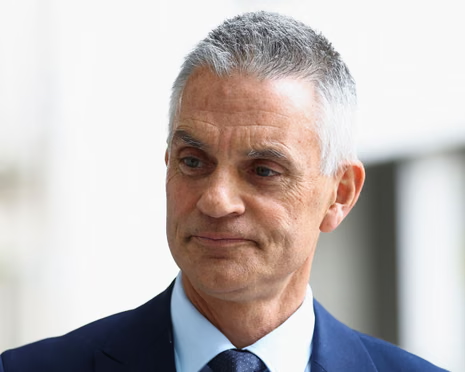
Davie, who has been in the role for five years, said in a letter to staff that quitting the job “is entirely my decision,” and noted that “Overall, the BBC is delivering well, but there have been some mistakes made and as director-general I have to take ultimate responsibility.”
Davie said his departure from the BBC, after 20 years, including five years as Director General, was his own choice, and he emphasised that “In these increasingly polarised times, the BBC is of unique value and speaks to the very best of us.”
Turness, who has been the chief executive of News and Current Affairs for the past three years, said that the controversy about the Trump documentary “has reached a stage where it is causing damage to the BBC — an institution that I love. As the CEO of BBC News and Current Affairs, the buck stops with me.”
Turness also stated: “While mistakes have been made, I want to be absolutely clear, recent allegations that BBC News is institutionally biased are wrong.”
The resignations sparked reactions from across the political spectrum. There have been other bias allegations aimed at the BBC, with the network facing complaints over its reporting on the war in Gaza and coverage of transgender issues.
Reform leader Nigel Farage called it the BBC’s “last chance”, adding that the resignations must be “the start of wholesale change”. In contrast, Liberal Democrat leader Ed Davey said the BBC must see this as an opportunity to “turn over a new leaf”.
Trump’s Response
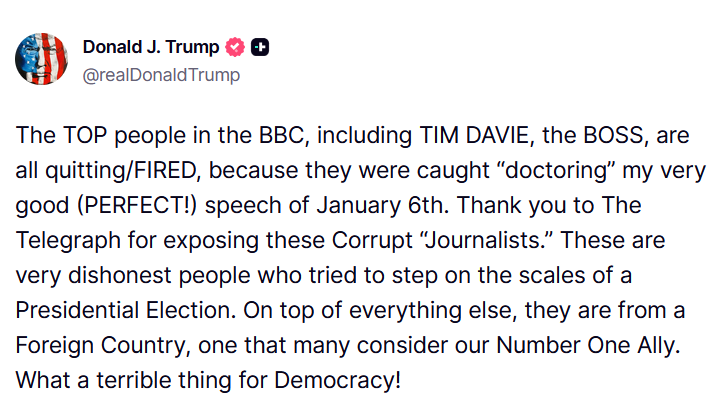
In a post on Truth Social on Sunday, Mr Trump thanked the Telegraph for “exposing these Corrupt ‘Journalists.'” He wrote: “These are very dishonest people who tried to step on the scales of a Presidential Election.”
White House press secretary Karoline Leavitt and others accused the public service broadcaster of dishonesty following the leak to the Telegraph of the memo that raised concerns about impartiality and called the edited Trump clip in the BBC “Panorama” documentary “misleading.”
What’s Next?
The BBC now faces the challenge of finding new leadership during a period of turbulence. The Chair of Parliament’s Culture Committee indicated that the committee will meet to consider the BBC’s response and decide its “next steps.”
This resignation marks a significant moment for the BBC, a broadcaster that millions have trusted for decades. The institution now has the opportunity to address concerns about editorial standards and rebuild confidence in its news reporting.

