

In a move raising eyebrows across Washington, a 27-year FBI veteran has been pushed out of his position after FBI Director Kash Patel became angry about media coverage of his personal use of government jet.
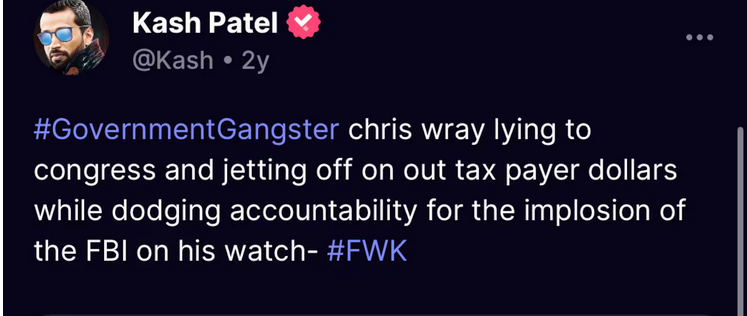
Steven Palmer, who joined the FBI in 1998, was at the center of unexpected controversy. As the deputy assistant director overseeing the FBI’s Critical Incident Response Group—which handles major security threats and manages the bureau’s fleet of jets—Palmer was told to either resign or face termination.
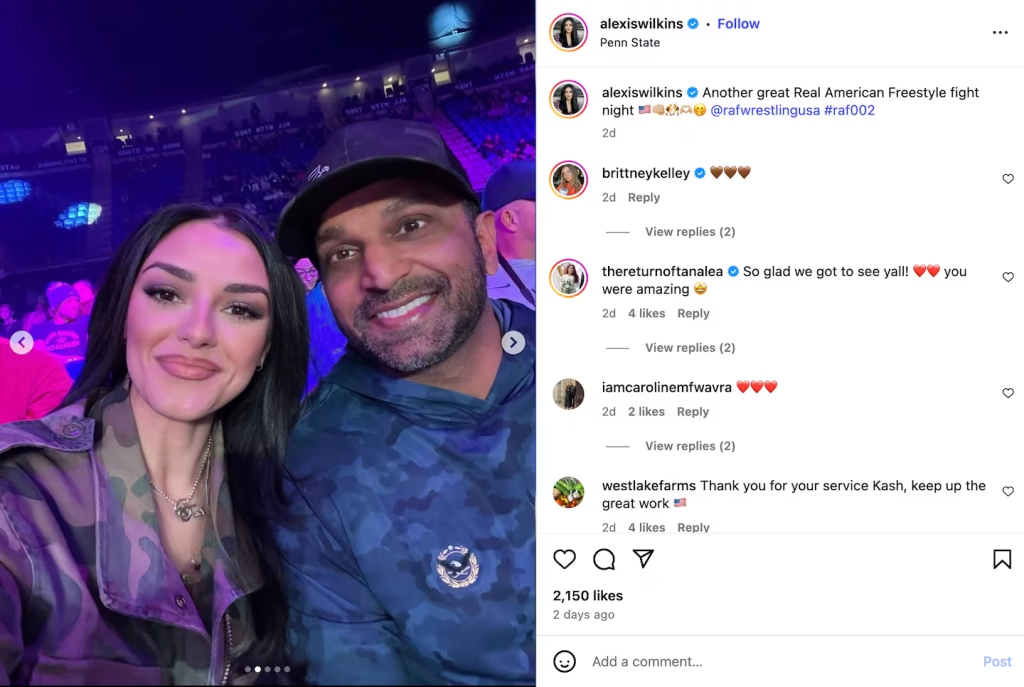
The reason? Director Patel reportedly became furious after news outlets began reporting on his use of an FBI jet to visit his girlfriend, country music singer Alexis Wilkins. According to reports, Patel had flown on a government aircraft to attend a wrestling match where Wilkins was scheduled to perform the national anthem.

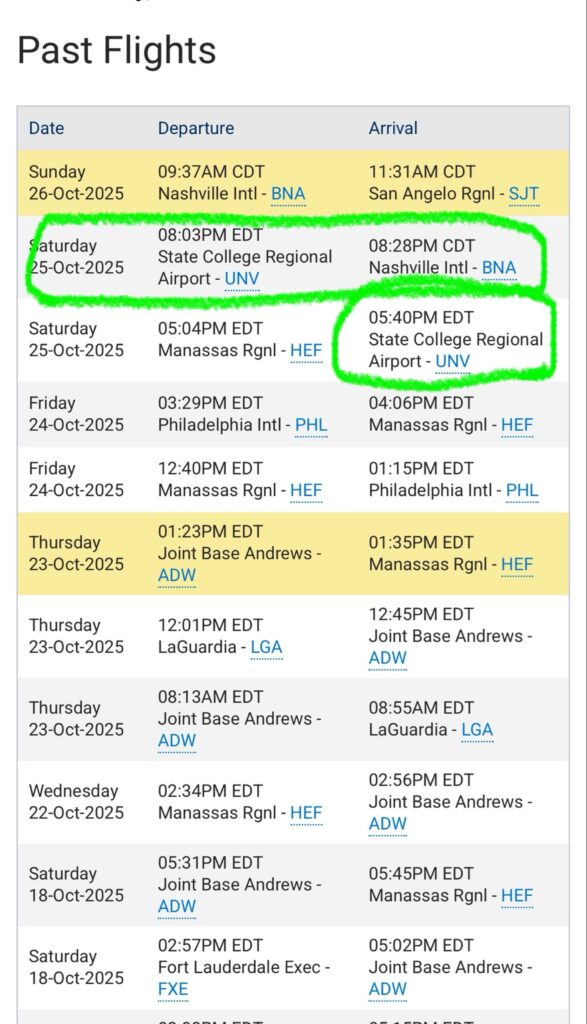
Things get a bit murky: sources close to the situation say they’re “baffled” as to why Patel blamed Palmer for the media attention. The FBI’s flight schedules are publicly available through flight tracking services like FlightAware. Anyone with an internet connection can look up these flights—Palmer didn’t need to “leak” anything for journalists to find the information.
The tail number N708JH, which tracks the FBI jet in question, was visible to anyone checking public flight data. It’s similar to how people track celebrity jets or government aircraft—it’s all open.
What makes this story even more concerning is that Palmer isn’t the first to go. He’s actually the third head of the Critical Incident Response Group to be removed since Patel took over as FBI Director. The Critical Incident Response Group is no small potatoes—it handles some of the bureau’s most serious situations, from hostage rescues to counterterrorism operations.
With nearly three decades of experience at the FBI, Palmer was a seasoned professional who’d served through multiple administrations and directors. His sudden departure raises questions about whether experienced agents are being pushed out for reasons that have little to do with their performance or the bureau’s mission.
The FBI is supposed to operate independently, focused on protecting Americans and upholding the law. When a director uses government resources for personal travel and then appears to retaliate against subordinates over public scrutiny of that travel, it raises serious questions about priorities and accountability.
Government jets aren’t cheap to operate—they cost taxpayers thousands of dollars per flight hour. While FBI directors have legitimate reasons to use bureau aircraft for security and efficiency, personal trips are entirely different.
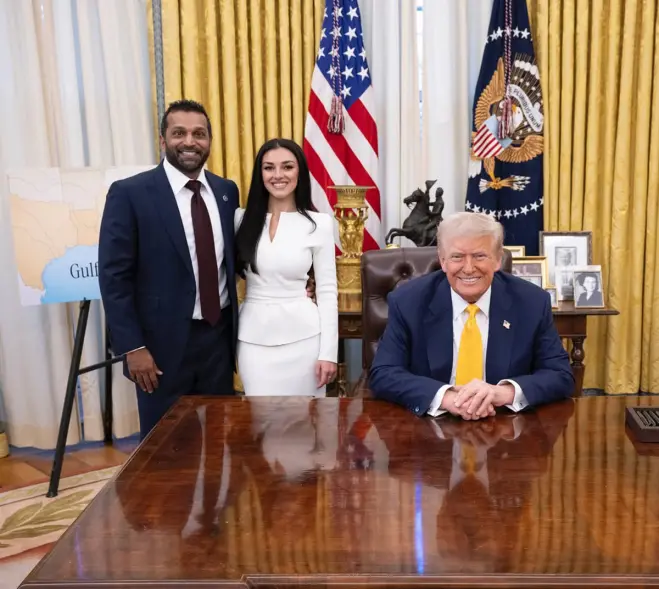
Kash Patel, a close ally of President Trump, became the ninth FBI Director amid promises to reform the bureau. But critics now question whether these reforms improve the FBI’s effectiveness or settle personal scores.
Palmer’s career spent serving his country ended abruptly over something he apparently had no control over. For the American public, this is another reminder to keep asking questions about how our government officials use taxpayer resources and what happens to those who find themselves caught in the crossfire when those uses become public knowledge.
As this story continues to develop, one thing is clear: transparency in government doesn’t always protect those who work within it, even when the information in question was never secret.

