
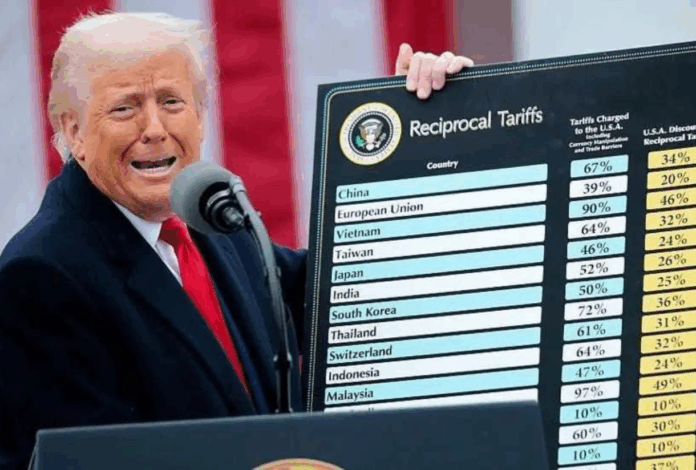
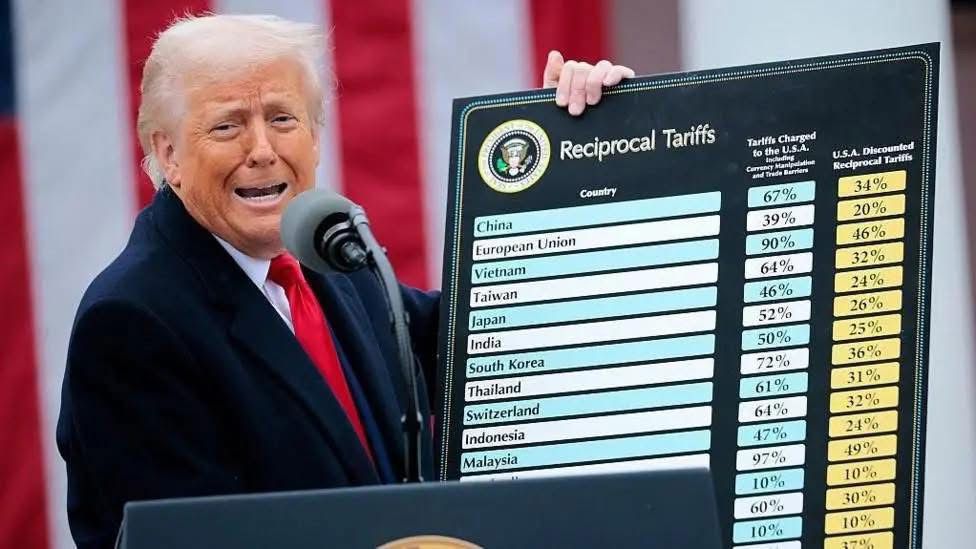
US President Donald Trump’s tariff process was back on track earlier this year, and Trump threatened on May 23 to impose a 50% tariff on the European Union. On April 2, Trump imposed massive tariffs on almost every country in the world during what he called “Liberation Day.” A few days later, he postponed the tax again for 90 days. In fact, Trump’s goal was to warn each country and bring them to the negotiating table rather than impose tariffs on them, to reduce the tariffs that countries have imposed on the United States.
That goal was also clearly visible in Trump’s threat to the European Union. Trump said that the European Union would not participate in any significant negotiations and that tariffs would be imposed on goods produced in the US. Trump reiterated in that message that “we do not expect to make any deal. The deal is done; it just needs to be agreed upon.”
However, the European Union responded to Trump. Its trade chief responded to Trump’s message that the 27-nation EU is ready to negotiate based on respect, not fear of threats. The EU believed a trade agreement should be based on mutual respect, not threats. The tariff implementation date was initially set for June 1, but was later moved to July 9 to allow more time for negotiations.
The European Union is also one of America’s largest trading partners. In 2024 alone, the European Union exported $605.7 billion in goods to the United States. However, it imported only $369.8 billion in goods from the United States. Trump used every strategy to reduce this difference. Trump’s position was that if every country exports to the United States, they should also allow American goods to enter those countries without hindrance.
The Resolution
After months of tense negotiations, the situation was resolved in late July 2025. The US and EU finally reached a trade deal that set a 15% tariff on most European goods, significantly lower than the 50% threat made earlier. This agreement marked a compromise between Trump’s aggressive tariff stance and the EU’s insistence on mutual respect in trade negotiations.
The deal demonstrated that while Trump’s confrontational approach brought parties to the negotiating table, the outcome required both sides to move from their initial positions. The 15% tariff rate represented a middle ground that addressed US concerns about trade imbalances while maintaining the transatlantic trading relationship that both sides depend on.

